








Solutions for the Energy Trilemma
Secure, affordable, sustainable — the three simultaneous goals of the energy transition are under increasing pressure. During World Energy Week, experts were searching for answers. Technological innovations using advanced plastics may offer a way forward.
We know the concept from economics or philosophy: three equally important goals, but you can realistically only achieve two at the same time – the classic trilemma. That’s exactly the challenge facing global energy policy: energy must be secure, affordable and fair as well as sustainable. The energy transition will only succeed if we can balance all three.
This conflict isn’t new, but it’s becoming more intense and consequential. Energy security is increasingly fragile due to rising geopolitical tensions: Attacks on power grids and pipelines are on the rise, and regional dependencies are becoming more apparent.
Growing Imbalances
Energy poverty also remains a global issue: In 2024, around 750 million people – mostly in Africa, Southeast Asia, and Latin America – still lacked access to electricity. Meanwhile, affordability is becoming a major concern in Europe, where energy prices are significantly higher than in other regions. This threatens key industries like chemicals and steel and has sparked calls to rethink the direction of the energy transition.
Sustainability shows the starkest contrasts between the U.S. and China. While the U.S. is relying more heavily on fossil fuels like oil and gas, China is the global forerunner in renewable energy – even as it continues to build new coal-fired power plants.
As a result, CO₂ emissions from energy are steadily increasing worldwide. And the effects of climate change are becoming more visible: 2024 was the hottest year ever recorded, bringing a wave of natural disasters.
Global Conference
How – or whether – these growing disparities in the energy system can be addressed was the focus of the “World Energy Week” in Panama. The annual conference, hosted in a different country each year, brought together representatives from over 100 nations for strategic dialogue and practical solutions in the energy sector.
And that’s exactly where the global community should focus: on the many technologies and ideas that can make energy cleaner, smarter, more affordable, and more secure. Innovation must be the trump card – especially since it often comes with clear economic benefits. According to industry organization IRENA, renewable energy could create between 30 and 38 million jobs worldwide by 2030.
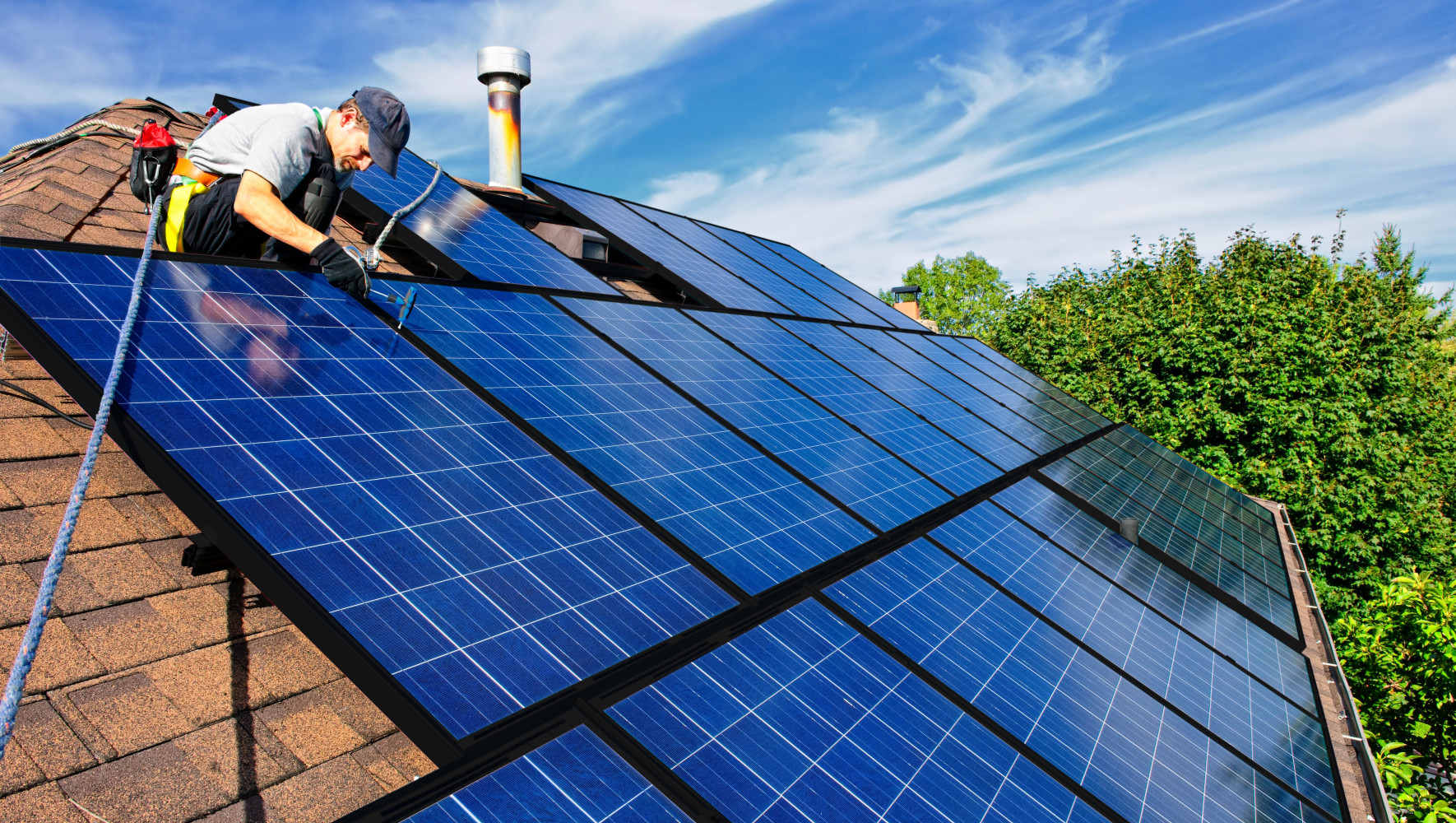
Advanced technologies require advanced materials – such as high-performance plastics. They are key players in the energy transition, addressing all three aspects of the energy trilemma.
Take security of supply: Plastics form the backbone of modern infrastructure. Their light weight and durability make them ideal for components in power grids, wind turbines, solar panels, and battery systems. They also support decentralized solutions: in regions with unstable energy access, modular solar systems and mobile storage units made of plastic can provide local energy. Covestro, for example, has developed a new composite material for solar panel frames that can replace traditional aluminum. The benefits include better corrosion resistance and a lower carbon footprint during production.
Multiple Benefits
But plastics don’t just boost energy security – they also help make energy more affordable and equitable. They reduce production costs for solar lamps and water pumps, for example. Plastic tanks and pipes also make it easier to distribute biogas, hydrogen, or heat, especially in remote areas.
Another reason to favor plastics in energy solutions is their twofold environmental benefit. On the one hand, they’re increasingly produced using non-fossil raw materials and powered by renewable energy.
On the other hand, plastics help make energy- and climate-intensive sectors more sustainable. Countless buildings are better insulated with plastic panels, reducing the need for heating and cooling. In transportation, lightweight plastic components cut fuel use and emissions, while supporting the shift to electric vehicles.
Covestro is convinced that materials science – and plastics in particular – will play a vital role in bringing the three goals of the energy trilemma back into better balance.