






Hand in Hand for Better Foods
The global food system urgently needs to become more sustainable. World Food Day reminds us that this must be a collaborative effort. The plastics industry is doing its part.
As I commute from my countryside home to my office in Leverkusen, Germany I regularly find myself driving behind large tractors heading to or returning from their fields. These encounters remind me of the essential work happening around us to produce the food we need – and how to adapt the food system to the multiple different challenges we are facing, in Germany and many other places across the planet. They are addressed at World Food Day 2025 on October 16, which this year has the motto "Hand in Hand for Better Foods and a Better Future."
The Global Hunger Challenge
Approximately 670 million people live with hunger worldwide, and about 2 billion lack regular access to sufficient nutritious food. While these numbers might feel distant to many people in rich countries accustomed to 24/7 food access, our situation may be less secure than we think. For example, experts are warning that Germany could face food access challenges as irrigation water becomes scarcer.
At the same time, the Mediterranean region increasingly faces severe rain events that devastate crops. Europe, a densely populated continent, with its expectation of constant food abundance, may be more vulnerable than we care to admit.
The 2025 Global Food Policy Report confirms these concerns. According to their analysis, climate change will drive global commodity prices up by as much as 18 percent until 2050 compared to a no-climate-change scenario. This price increase could push an additional 78 million people into chronic hunger, with more than half of this increase occurring in Africa south of the Sahara.
We must rise to the challenge. The food system urgently needs to become more sustainable throughout and far beyond climate protection – even more so as global population will grow to an estimated 1.5 billion people by 2050, making it necessary to increase food production by 30 to 60 percent.
Soil and Water: Precious Resources Under Threat
We need to focus on two fundamental resources that are the base of our food security: soil and water. Their protection must be central to any solution we develop, whether high-tech or traditional, in developed or developing regions.
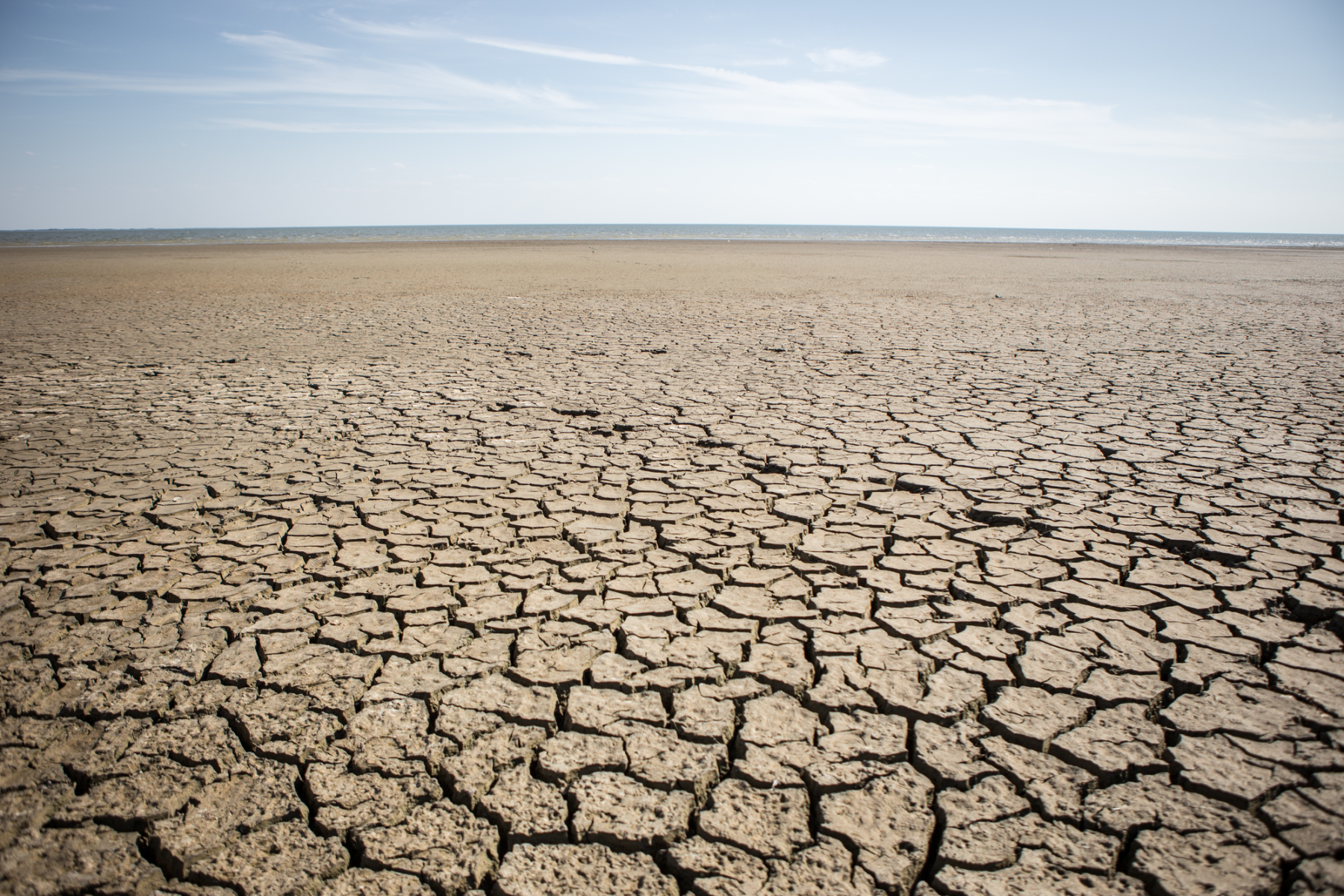
Globally, we're losing topsoil at alarming rates – some estimates suggest 24 billion tons annually. Once degraded, soil can take centuries to regenerate. Water scarcity presents an equally pressing challenge, with agriculture accounting for approximately 70 percent of global freshwater consumption. Managing this essential resource sustainably requires rethinking how we collect, store, distribute, and use water throughout our food systems.
Addressing these challenges requires integrating cutting-edge technology with reimagined traditional practices. Precision farming technologies for example can reduce water usage by up to 30 percent while improving yields. Equally important are innovations in regenerative agriculture that rebuild soil health while sequestering carbon.
In addition, climate adaptation is becoming increasingly crucial and offers opportunities. I witnessed how global warming is transforming traditional agricultural landscapes during my recent trip to Italy, where Chiquita has said it will be testing banana cultivation – a crop traditionally associated with tropical climates now finding potential in southern Europe due to rising temperatures. This represents a pragmatic adaptation approach: recognizing changing conditions and adjusting agricultural systems accordingly.
The Global Food Policy Report also emphasizes that offsetting increased hunger due to climate change could cost upward of 24 billion dollars annually, including investments in agricultural research, water provision, and other infrastructure.
All this underscores the need for innovative, cost-effective solutions that can be implemented at scale.
Materials Matter: Supporting Sustainable Food Systems
My office in Leverkusen is at Covestro, a global materials science company. What makes me happy to work here is that – among tackling many other issues – we develop and offer solutions that support sustainable food systems.
In water management for example, advanced irrigation systems using durable plastics can deliver precise amounts of water directly to plant roots, while biodegradable tree shelters with bio-based coatings help protect our vital forests from losing water. As for soil protection, biodegradable mulch films prevent weed growth and water evaporation. And special seed-coating materials help reduce pollution and improve yield – while also being fully biodegradable.
In order to extend the shelf life and reduce food waste, special coatings can be used which allow for paper packaging to protect against contamination while still being fully recyclable. Such approaches are especially valuable in regions with limited infrastructure, where up to 40 percent of food can be lost between harvest and consumption.
Hand in Hand: The Power of "AND"
The plastics industry is therefore part of the solution, which brings me to the “Hand in Hand” theme of World Food Day. This isn't about choosing between high-tech OR traditional approaches, developed OR developing regions, immediate needs OR long-term sustainability. It's about embracing the power of "AND" – recognizing that we need all solutions working in concert.
In the spirit of “AND,” Covestro employees are not only developing innovative product solutions – they are also helping to fight food insecurity around the world. In the Americas region, for example, my company launched the “10 for 10” initiative: for every volunteer hour logged by employees this year, Covestro is donating ten meals to those facing hunger through non-profit organizations.
On this World Food Day, while we commemorate the UN Food and Agriculture Organization’s 80th birthday, I invite all of us to consider how we can contribute to more sustainable food systems. By working together, embracing the power of "AND" rather than "OR" we can indeed create better, more sustainable foods and a better future for generations to come.