








Energy Efficiency – The Neglected Child of Climate Action
The UN Climate Summit makes one thing clear: The world urgently needs to save more energy. The chemical industry can help boost efficiency rates with its products and technologies.
Jaguar, tanga, piranha – many words we know come from the Tupí-Guaraní languages of South America. Now another term derived from them has entered my vocabulary: mutirão, meaning “collective effort.” The UN Climate Conference in Belém, Brazil, has chosen it as its motto. However, it remains uncertain whether the more than 50,000 delegates from 194 countries will truly rally behind such a joint action, given today’s increasingly confrontational global order and, notably, the absence of the United States at COP30.
Yet collective action is more urgent than ever, as recent data shows. 2024 not only set a new record for energy-related CO₂ emissions but was also the hottest year since records began. According to the UN Environment Programme, the world is currently on track for a temperature rise of 2.3°C by 2100 in the best-case scenario. That’s far better than the 3.7–4.8°C increase feared a decade ago when the Paris Agreement was signed. But limiting warming to 1.5°C – the goal once pursued with great enthusiasm – is slipping further out of reach and, according to the International Energy Agency, would now require an extraordinary global effort.
Leveraging a Key Tool for Climate Neutrality
One reason for this is that technological options to curb greenhouse gas emissions remain underutilized – especially in one area close to my heart: energy efficiency. Despite the popularity of renewable energy, efficiency still lives in the shadows. Yet improving efficiency is one of the most powerful levers for achieving climate neutrality in the energy sector, which is the largest source of emissions. In short: we must not only make energy greener, we must also use less of it. That’s the message I want to highlight at COP30.
The world is barely moving on energy efficiency. The goal set two years ago at the Dubai Climate Conference – to double the annual efficiency improvement rate to 4% by 2030 – is far off. In 2023 and 2024, the rate was just 1%, according to the International Renewable Energy Agency. This means we need even greater efforts and must raise the rate to at least 5% to stay on track.
Driving E-Mobility and Building Insulation
The good news: it’s doable. Experts have long known what needs to be done and where – particularly in construction and transportation, which, alongside energy, are major contributors to CO₂ emissions and global warming. Key measures include switching to electric mobility and optimizing building energy performance. The concepts and technologies are already available.
This is where the chemical industry comes in. It supports climate-friendly electric vehicles by providing lightweight plastics that reduce battery weight and increase range. It also helps make buildings more energy-efficient through high-performance insulation that saves heating and cooling energy. Polyurethane foam is especially effective, offering the best insulation compared to conventional materials.
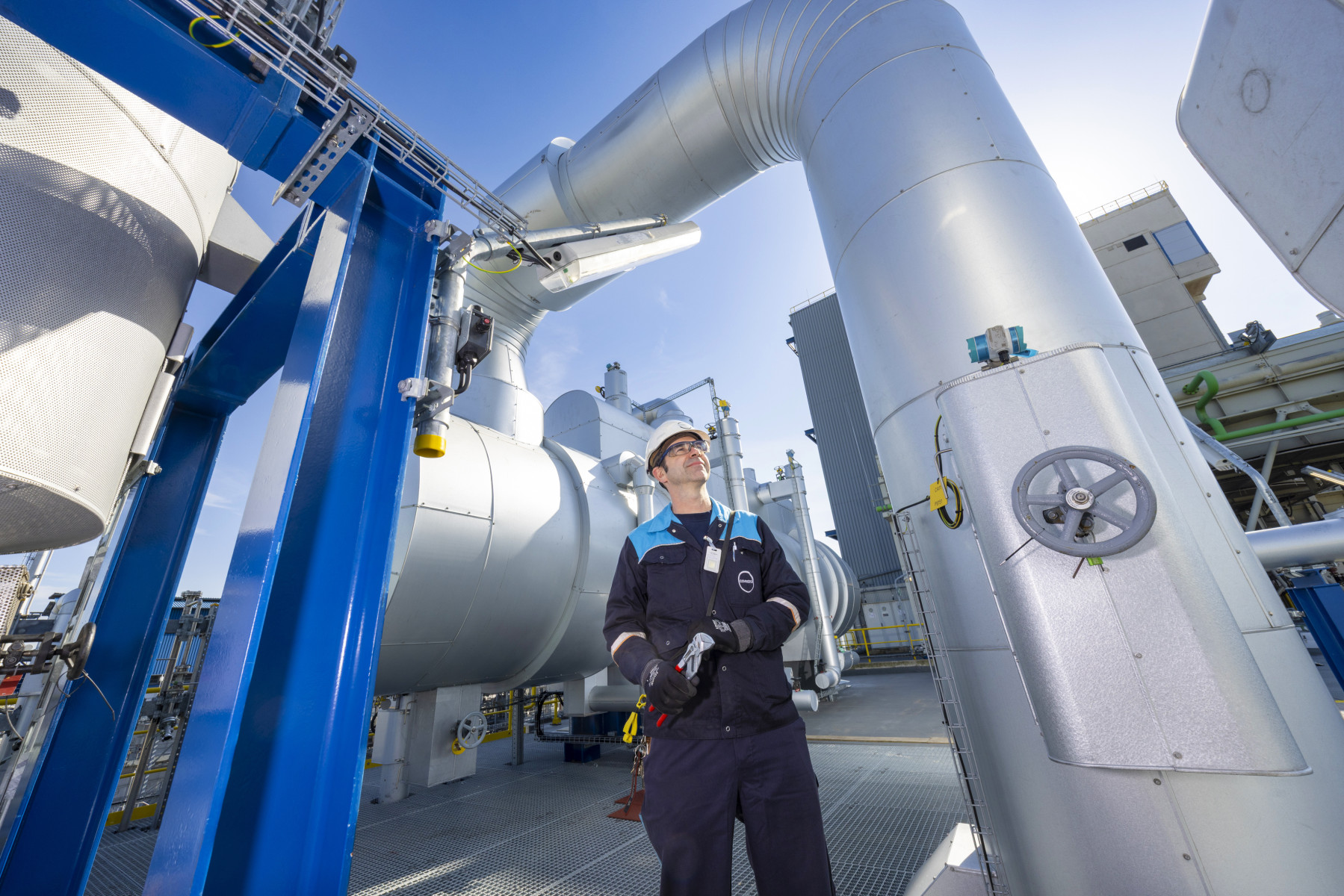
Of course, the chemical industry itself – a major energy consumer – must also improve efficiency. In Germany, for instance, the sector halved its specific energy use between 1990 and 2022, mainly by adopting combined heat and power systems. But finding new savings is becoming harder.
Covestro Targets 20% Efficiency Gain
That’s why companies like Covestro are developing new processes. This year, we upgraded a production facility in Dormagen, cutting energy use by up to 80% compared to conventional methods. Overall, our goal is to improve energy efficiency – measured as total energy per ton of production – by 20% by 2030 compared to 2020.
The takeaway: Technology can do a lot to make the world more sustainable, and industry can provide crucial momentum. But technology and science alone aren’t enough, of course. Without political will and global cooperation, climate action will stall. Still, it’s reassuring to know that mutirão – the collective effort – rests on a solid high-tech foundation.