








Clean Water: A Shared Responsibility for Industry and Policy
Clean water is vital – and increasingly scarce. The chemical industry contributes to improving water quality and availability through innovative products and processes.
The first thing I do in the morning is take a sip of water – straight from the tap. And I do so without worry, because I know where it comes from: properly treated from nearby reservoirs and from the Rhine. Germany’s great river is significantly cleaner today than it was just a few decades ago; even salmon have returned.
Having drinking water of good quality, available at any time, is a luxury we should be conscious of in a country like Germany. In many regions of the world, the situation looks very different: one in four people has no access to safely managed drinking water.
At the same time, water is becoming scarcer worldwide. 3.6 billion people – nearly half the world's population – experience at least one month of water scarcity every year. A challenge that increasingly affects the Global North as well.
The European Union has long been focused on both aspects – quality and availability. The Water Framework Directive, in place since 2000, states: “Water is not a commercial product like any other but, rather, a heritage which must be protected, defended and treated as such.”
I am glad that this essential issue for humanity has been framed so clearly. Nevertheless, it is obvious that the goals cannot be achieved overnight. The latest revision of the EU directive, entering into force on May 10, aims for a "good status" for water bodies in the Union by 2039.

What I find particularly encouraging is that the political will remains strong. The European Commission is now also focusing on water resilience – protecting the water cycle, ensuring access to clean and affordable water, and building a "water-smart" economy.
The strategy extends to 2050, but the measures needed to implement it must begin now. Because alongside high quality, the adequate availability of water is crucial for life, the economy, and future prosperity – in Europe too.
The Chemical Industry: Part of the Problem and Part of the Solution
The chemical industry, where I work, plays a central role in this: it is both part of the problem and part of the solution. The problem is that, despite continuous improvements, its products still end up in waterways like the Rhine – as trace substances from households, as carelessly discarded waste, and, even with modern wastewater treatment technology, in some cases also from various industrial processes.
Many of my colleagues are working intensively to reduce these inputs: through better processes, cleaner production steps, and new treatment technologies. The industry increasingly relies on activated carbon filters, ion exchangers, and membrane bioreactors that remove pollutants from wastewater before it reaches rivers, lakes, or groundwater.
Through its products, the chemical industry also contributes to water protection. It provides materials for nanofilters, for example, that retain even the smallest pollutants and micro-contaminants – an important component of modern water treatment. Basic chemicals such as hydrochloric acid also play an important role in drinking water treatment. In this way, the sector contributes essential components to modern water purification.
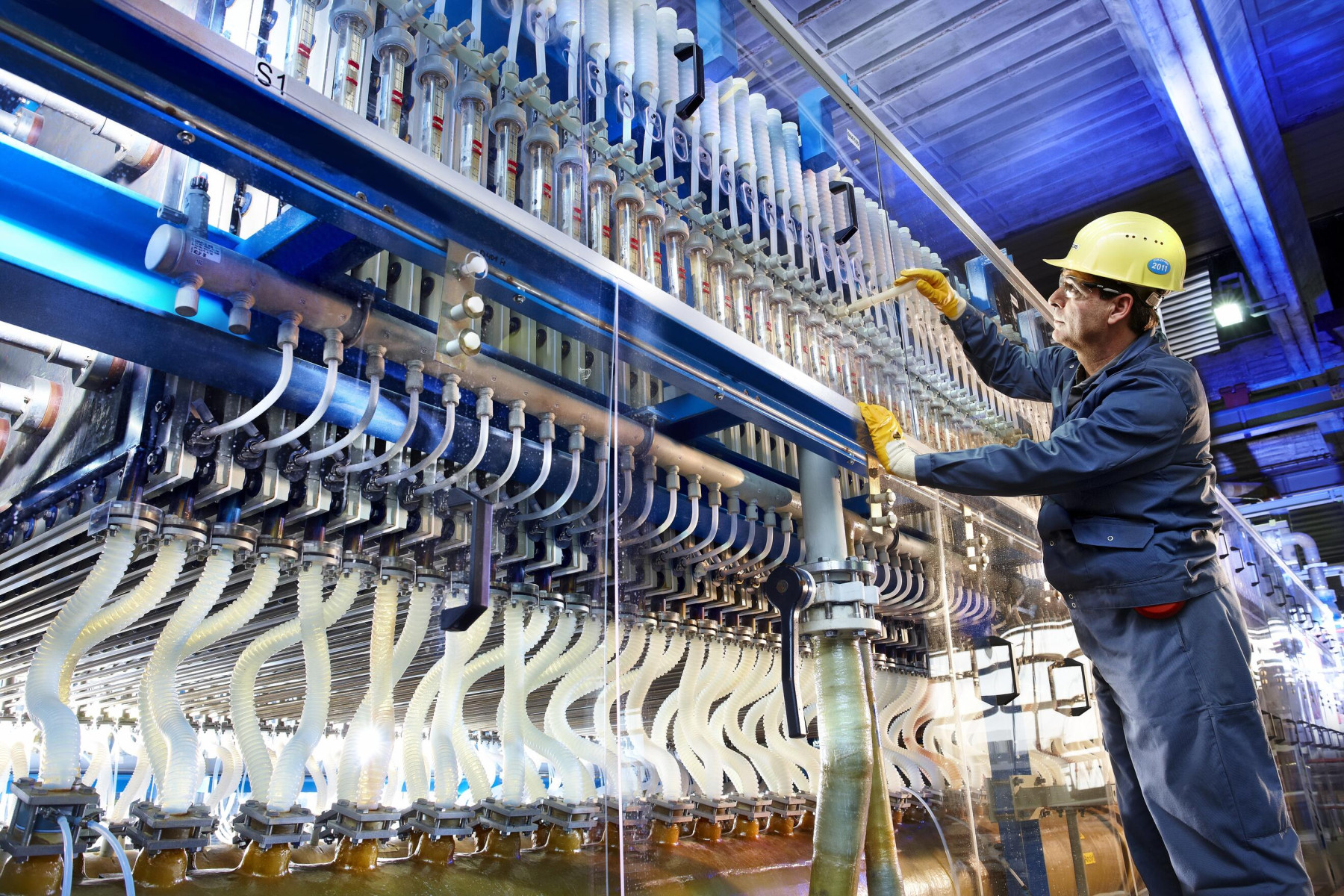
At the same time, the industry is addressing water scarcity by recycling wastewater from production processes. Covestro, for example, uses an innovative technology it co-developed to recover water and salt, which can then be employed to produce the important basic chemical chlorine. Household and other wastewater can also be reused in production, thereby contributing to further savings.
To effectively protect our water bodies, industry, authorities, and policymakers need above all one thing: a shared understanding of which substances occur where and what effects they have. The new EU list of environmental quality standards, covering more than 70 regulated substances, illustrates how complex this task is.
Reliable data, uniform measurement methods, and a clear picture of interconnections are essential for effective action. When all stakeholders share their relevant information – from monitoring data and emission inventories to environmental trends – resources can be deployed where they deliver the greatest benefit.
Enabling Smart Regulation Through Dialogue
Good regulation therefore does not mean regulating "more", but regulating "smarter" – and doing so through dialogue. Environmental, chemical, waste, and climate requirements must be considered together so that measures complement rather than contradict each other, and so that investments remain predictable and manageable.
An important step in this direction is the "Structured Water Dialogues" that the EU intends to launch this year. They are designed to create common standards and base decisions on a solid, shared knowledge base. Industry is not a bystander in this process, but a co-creator – contributing data, technical expertise, and a willingness to invest when the environmental benefit is clear.
Clean water from the tap is no miracle. It is the result of collective effort. And the path to water resilience is the same: it is built through genuine partnerships – between policymakers who set ambitious but realistic goals, authorities who apply them proportionately, and an industry that invests in cleaner processes and better technologies. Because its own future also depends on the health of the water systems in which it operates.