






“A Spirit of Dialogue” – When Communication Becomes an Architecture of Trust
In our polarized world, we urgently need genuine dialogue. The World Economic Forum could send a powerful signal – but it must transform itself first.
News from my hometown always catches my attention. I recently read that Jürgen Habermas, the great sociologist and philosopher, has handed over his entire estate to the University of Frankfurt in advance. Memories from my student days come flooding back: communicative action, discourse ethics, deliberative democracy. Politics as a matter of public negotiation.
But the intellectual universe of the now very elderly scholar feels as if it belongs to another era. Our present is shaped by polarization, isolation, and self interest. Advocates of a “rules based order,” the foundation of the long period of globalization’s successes, are struggling. Value driven politics appears to many as little more than pleasant sounding rhetoric.
Another social theorist is enjoying a renaissance – Niccolò Machiavelli, the apologist of ruthless power politics. States, institutions, and social groups encounter one another with skepticism and rejection; confidence in the competence and problem solving ability of the other side is fading.
The result: irritation, uncertainty, a loss of trust. According to the latest Edelman Trust Barometer, released as always ahead of the World Economic Forum, an “insular mindset driven by grievance and pessimism,” now prevails.
Reviving Dialogic Communication
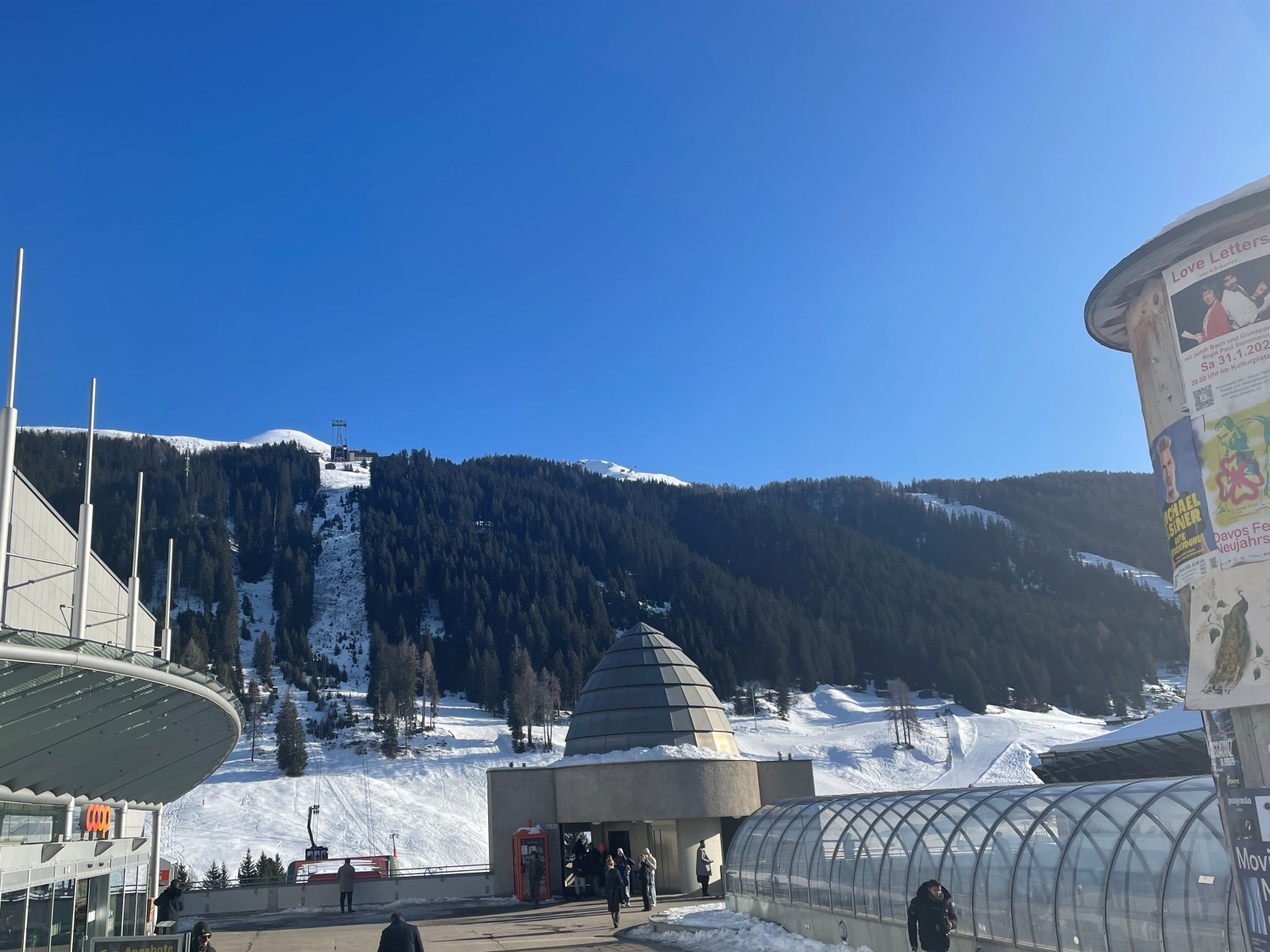
I am back in Davos this year, and the motto “A Spirit of Dialogue” resonates with me as a communicator. I am convinced that only through exchange and cooperation can the world ultimately move forward – despite all power driven egoism. It is overflowing with shared challenges that affect all eight billion people worldwide in one way or another and that require collective action – alongside the acute crises, particularly the threats to the Earth system.
To foster rapprochement and regain trust, we must return to thinkers like Habermas and strengthen dialogic communication. Building bridges through genuine exchange at eye level instead of merely presenting entrenched positions.
Listening instead of broadcasting, connecting instead of dividing. And jointly arriving at new insights and solutions – an approach that works well in business. At Covestro, we see that dialogic and partnership based collaboration makes innovation possible in the first place, enabling us to overcome problems and advance society – for example in the major project of the circular economy, the key to overcoming the global systemic crisis of climate change, species extinction, resource depletion, and environmental pollution.
If the WEF succeeds in conveying these insights more strongly, much would be gained. If the “Spirit of Dialogue” is rekindled, it could give new momentum to the many who are solution oriented – and counter the prevailing pessimism. But to achieve this, the summit – like other global forums – must also transform itself: initiating the shift from an elite conversation to a multilateral discourse.
From Elite Panels to Multilateral Discourse
A growing gap is emerging here. What decision makers and opinion leaders think and want often aligns only loosely with the views of the broader public – the “streets versus elites” narrative. This becomes evident, for example, in attitudes toward artificial intelligence, as PR consultancy FGS Global recently found: while managers mostly expect efficiency gains, the general population often fears job losses and higher energy costs.
What is needed are mediators between different worlds. This is where communication professionals come into play. They are increasingly becoming architects of trust, creating shared spaces for action. In our fragmented world, dialogic communication is becoming a strategic core competence. It must be fostered and disseminated. Habermas and similar thinkers are more relevant than ever.