


Three sites – one strong network in North Rhine-Westphalia
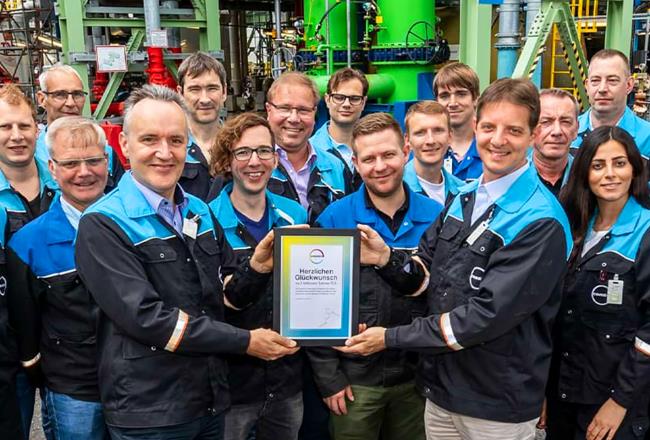
The close integration of the three North Rhine-Westphalia sites, which employ more than 6,350 people, creates synergies and strengthens their competitiveness. This is important because Germany accounts for nearly 30 percent of Covestro’s total global production capacity – with a significant share located in North Rhine-Westphalia.
Within the North Rhine-Westphalia site network, Covestro consolidates functions including maintenance, infrastructure, warehousing and services. Logistics processes and workflows are also coordinated and continuously developed across all sites.
Ensuring a reliable supply of raw materials and energy to the production facilities is particularly important. Hydrogen, natural gas, carbon monoxide and nitrogen, as well as various forms of energy, are supplied within the network according to demand. The sites’ proximity and joint organization help use resources efficiently and coordinate processes across locations.
On the path to operational climate neutrality
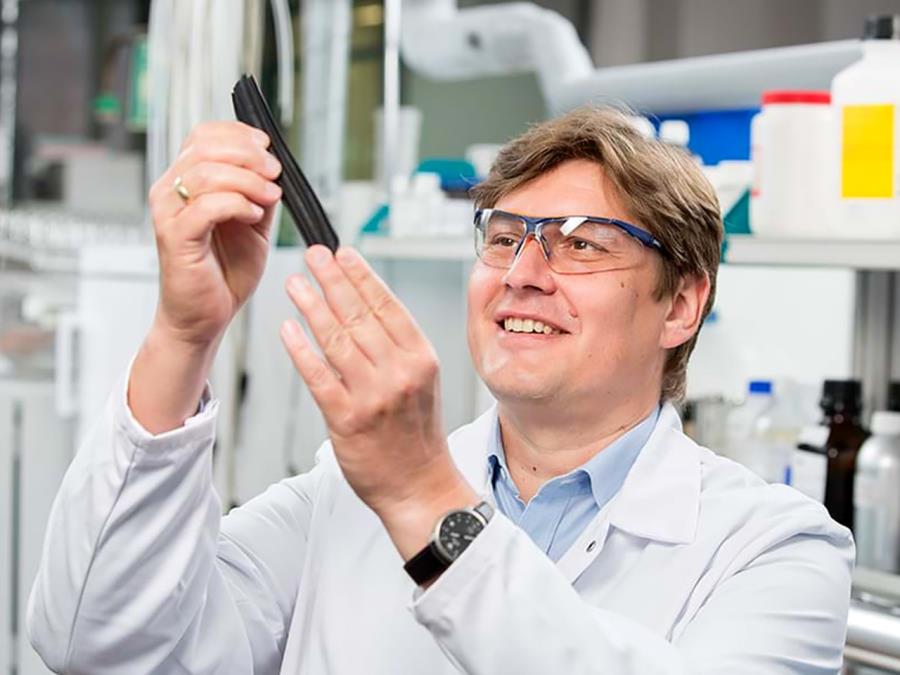
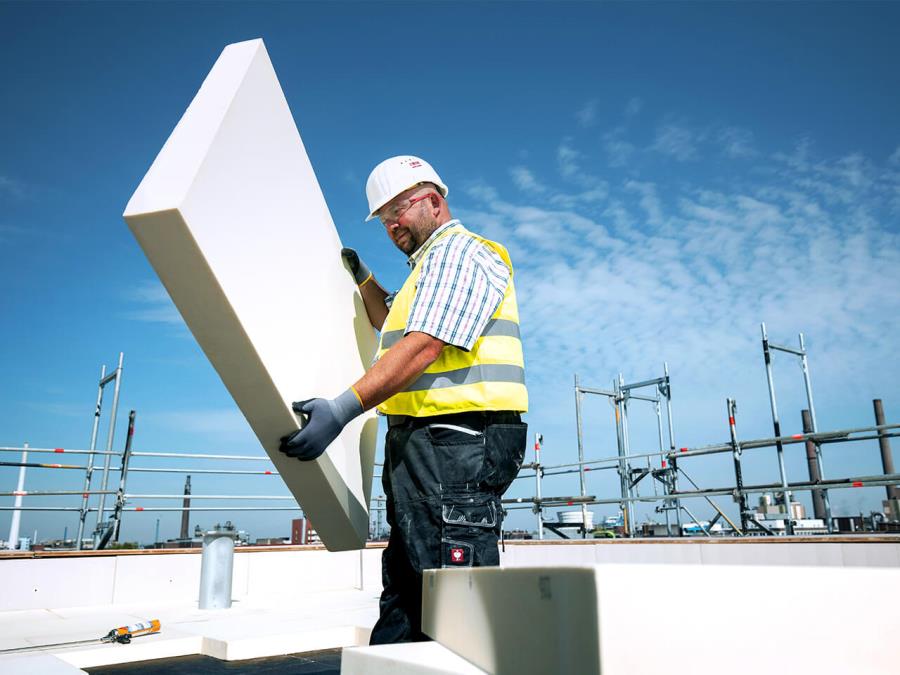
Covestro’s sites in North Rhine-Westphalia also play a key role in the company’s climate targets. Covestro aims to be operationally climate-neutral* by 2035. To achieve this, greenhouse gas emissions from its own production (Scope 1) and from purchased energy (Scope 2) are to be reduced to net zero. Upstream and downstream greenhouse gas emissions along the value chain (Scope 3) are to be reduced by 10 million metric tons of CO₂ equivalents by 2035 compared with the 2021 baseline year** – in the long term, Covestro aims to achieve net-zero Scope 3 emissions by 2050.
The long-term focus is on using 100 percent electricity from renewable sources, climate-neutral steam generation, and a significant increase in energy efficiency. In this way, Covestro aims to link growth and sustainability in North Rhine-Westphalia even more closely.
Responsibility for our sites and the region
The North Rhine-Westphalia site network is headed by Dr. Philip Bahke. Together with the North Rhine-Westphalia production managers Dr. Thorsten Rische (Leverkusen) and Dr. Inga Krummheuer (Krefeld-Uerdingen), he is responsible for the continued development of the site network.
However, Covestro also takes responsibility beyond its site boundaries. That is why the company actively engages in dialogue with neighbors at its production sites and maintains close contact with the surrounding communities. Safety plays a central role – for employees, production operations and the people living near the sites. More information about safety at the chemical parks in North Rhine-Westphalia can be found here.
Focus topics
A more sustainable production, a secure supply of energy and raw materials, and high-performing infrastructure are essential to the future of the North Rhine-Westphalia site network. They are important prerequisites for the competitiveness of the sites and also contribute to growth, prosperity and employment in the region.
This also means developing infrastructure to meet future needs: Roads, railways and waterways must be modernized, remain efficient and reliably available, and be interconnected as effectively as possible. Covestro depends on raw materials reaching its sites safely and products being delivered reliably to customers.
Learn more here about selected topics that are particularly important to the North Rhine-Westphalia site network.


*The terms “climate neutrality” and “climate neutral” are used almost exclusively in the context of our Group’s Sustainable Future strategy. In this context, we understand climate neutrality as meeting our climate targets defined in accordance with the definition of net-zero targets under ESRS (Annex II to Commission Delegated Regulation (EU) 2023/2772). This requires a nearly complete reduction of GHG emissions along the entire value chain (around 90–95%) in line with 1.5 °C pathways as well as the permanent neutralization of unavoidable residual emissions by CO₂ removal.
**This figure already includes some growth-related emissions projected up to the year 2035.

Covestro is increasingly aligning its production with the circular economy and making greater use of alternative raw materials. All three North Rhine-Westphalia sites in Leverkusen, Dormagen and Krefeld-Uerdingen hold internationally recognized ISCC PLUS mass balance certification. The mass balance approach allows alternative raw materials to be used in production and their share to be allocated to specific products on an accounting basis.
Covestro manufactures a broad range of certified mass-balanced products at its North Rhine-Westphalia sites. These include selected polycarbonates, components for polyurethane (PU) rigid and flexible foams, raw materials for PU coatings and adhesives, thermoplastic polyurethanes (TPUs), and specialty films. They offer the same quality and properties as their fossil-based counterparts. In this way, Covestro supports customers in achieving their own sustainability goals while advancing the transition to a circular economy.
In the long term, Covestro aims to increasingly replace fossil resources with alternative raw materials and develop innovative technologies to further improve the recycling of end-of-life products and unavoidable waste.

The Rhine is a key transportation route for the North Rhine-Westphalia site network: About 75 percent of raw materials reach the sites in Leverkusen, Dormagen and Krefeld-Uerdingen by inland waterway vessel, while about 30 percent of the materials produced are shipped by water. These volumes can hardly be offset by other modes of transportation. For example, an inland waterway vessel can carry around 1,500 metric tons – the equivalent of about 60 trucks. Extreme low and high water levels can therefore significantly affect the supply of the sites, production operations and deliveries to customers.
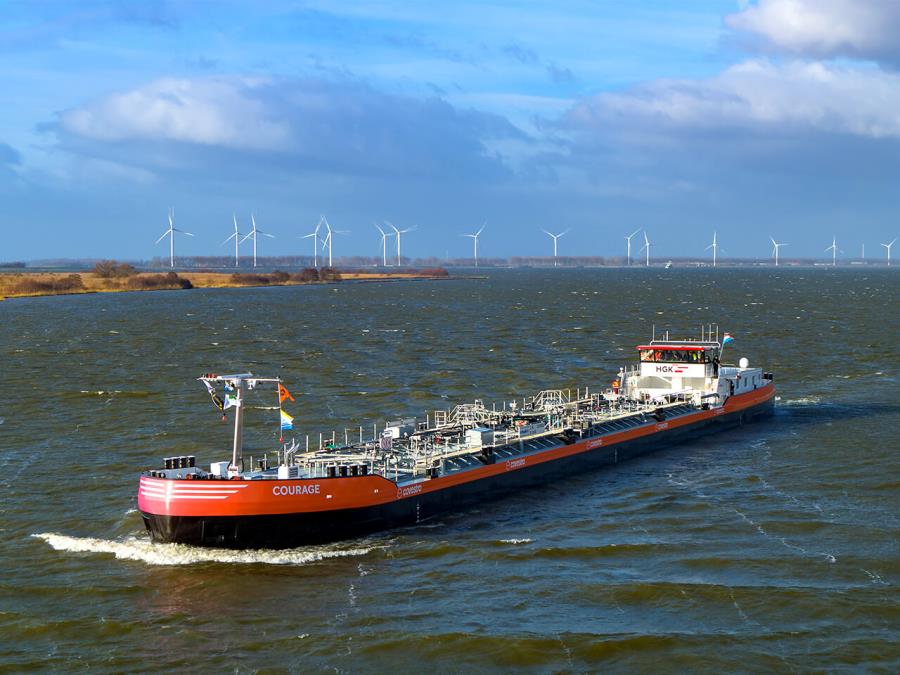
Covestro therefore prepares specifically for extreme water levels. A cross-site “Rhine Task Force” continuously monitors water levels and forecasts, assesses potential impacts and coordinates measures at an early stage. These include deploying additional vessels with adjusted loads, using alternative rail and road transportation, and coordinating production and delivery processes. The low-water vessels “CURIOSITY” and “COURAGE,” commissioned in 2023, make an important contribution: They can operate even when the Cologne gauge reads just 40 centimeters. Their diesel-electric propulsion system also reduces CO₂ emissions by up to 30 percent.
However, operational measures alone are not enough. Covestro is therefore calling on policymakers to adapt infrastructure along the Rhine more quickly to the effects of increasingly frequent extreme weather conditions. Key measures include faster implementation of the channel-depth optimization project on the Middle Rhine, better water-level forecasts and suitable vessel concepts for low-water conditions. High-performing, future-ready transportation infrastructure is essential for Covestro to secure the long-term supply of its North Rhine-Westphalia sites.

On its path to operational climate neutrality, Covestro is increasingly relying on electricity from renewable sources. Wind energy from the North Sea plays a key role in this effort: Under a long-term power purchase agreement with Ørsted, Covestro is sourcing 100 megawatts of capacity from the Borkum Riffgrund 3 offshore wind farm for ten years. The wind power is used primarily for energy-intensive chlorine production at the German sites. The three North Rhine-Westphalia sites, which have significant chlorine production operations, also benefit.
Solar energy is another building block in the energy supply for the North Rhine-Westphalia site network. Since 2022, Covestro has sourced 63 megawatts of solar power from the Weesow-Willmersdorf solar park in Brandenburg under a long-term supply agreement with EnBW. The electricity is used at the Dormagen and Krefeld-Uerdingen sites – primarily to produce mass-balanced high-performance plastics.
Renewable electricity for electrolysis
Covestro also uses renewable energy for the energy-intensive production of chlorine, caustic soda and hydrogen in North Rhine-Westphalia. As part of a collaboration with LANXESS, Covestro supplies the specialty chemicals company with these basic raw materials from Leverkusen and Krefeld-Uerdingen. Around one-third of the total volume is produced using hydropower based on guarantees of origin. This reduces indirect emissions by around 120,000 metric tons of CO₂ equivalents per year.