



Time for Urban Visions
The way we shape our cities defines the way we live. "Urban October" highlights both the challenges and opportunities of urbanization: concepts, technologies, and materials.
Whether it's a metropolis of millions or a community of just a few thousand residents, cities are always more than just a collection of buildings and streets. They also define how we live and evolve. They influence whether we feel comfortable, the connections we can cultivate, the opportunities for leisure and healthy living, and how we move from point A to point B.
And right now is the perfect opportunity to discuss these issues intensively: During “Urban October”, UN-Habitat, the United Nations program for human settlements, invites us to develop new perspectives on urban life and examine both the challenges and opportunities of urbanization.
Cities in Transition
Why is this relevant? More than half of the world's population lives in cities. And by 2050, according to the UN, it will be nearly 70 percent – that's about 2.4 billion more people than today. To handle this growth, approximately 60 percent of urban infrastructure still needs to be built: housing, transportation networks, energy systems, water pipes. But the city of the future needs to be not only functional, but also sustainable, resilient, and livable.
This isn't just about construction measures – social, ecological, and technological aspects must also be considered. How do we succeed in making cities inclusive? How can they respond to climate change, use resources efficiently, and simultaneously offer quality of life?
New Concepts for Urban Spaces
Future-oriented urban development means responsibly managing limited resources, whether space, energy, or materials. This approach leads to exciting concepts that focus on ecological construction methods and intelligent use of existing structures.
For example, there are pilot projects where abandoned industrial buildings and construction ruins are given new life. By not tearing them down but continuing to use the energy already invested in the original construction, the goal is to create the most positive energy balance possible. Such projects show how architecture and sustainability can go hand in hand and how livable spaces can emerge from seemingly unattractive locations.
Materials for the Future
The right materials are always crucial. Wood, for example, is considered a sustainable building material with many advantages: It creates a pleasant indoor climate, is recyclable, and enables short construction times. Plastics also play an important role, often less visible but all the more effective. They are lightweight, weather-resistant, and versatile. In the city of the future, they find applications in facades, insulation, smart sensors, infrastructure components like water and energy systems, or in new mobility concepts.
Intelligent urban construction will rely on hybrid solutions: materials like wood, concrete, and plastic will be combined to equally fulfill ecological, functional, and design requirements. This creates cost-effective buildings and infrastructure that are not only efficient and durable but can also flexibly respond to future requirements.
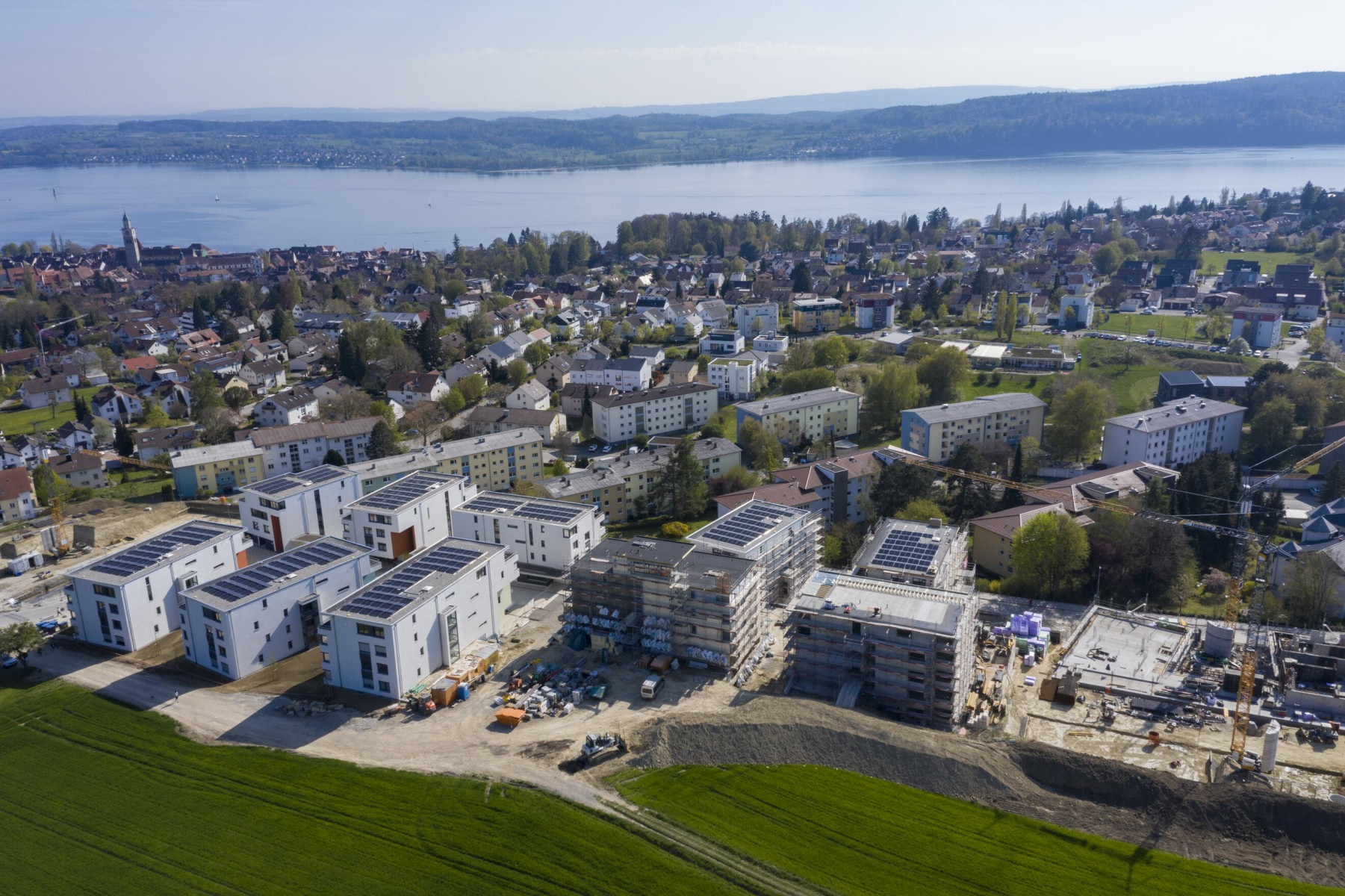
What such a holistic approach can look like is demonstrated, for example, by the flagship project STADTQUARTIER 2050 in Germany, which is supported by the federal government. In the city of Überlingen, a climate-neutral district has been created from new and energy-renovated buildings in a beautiful location on Lake Constance – with apartments that are also affordable for the socially disadvantaged. This also includes highly efficient building insulation using components from Covestro.
Visions Require Courage
"Urban October" is a valuable impulse for thinking about the future of our cities. But it's clear: It takes more than 31 days to redesign urban living spaces. It requires technologies, materials, and capital. And it requires visionary thinking, courage, and perseverance.