


More Realism for Europe's Industry
Ireland now holds the EU Council Presidency and is focusing on the right issues. But Brussels risks doing the wrong thing in the process – by tightening climate policy to the point where Europe's basic materials industry is driven to ruin. Under the new Council Presidency, the Union needs one thing above all: a dose of realism.
“Ní neart go cur le Chéile”, they say in Ireland – unity is strength. Under this motto, the island nation has now assumed the Presidency of the European Union for six months. And in doing so, it captures what truly matters: the EU must demonstrate cohesion and resolve more than ever to meet its great challenges – from geopolitical threats to a trillion-euro budget for the years ahead, to child protection on the internet.
True strength, however, always has a mental dimension – it requires an intellectual foundation. It is therefore important and right that the Irish are placing emphasis on the values that define and attract people to Europe: democracy, freedom and the rule of law, tolerance and diversity.
But only those with a solid economic foundation can be truly strong. Europe's, however, is creaking worryingly.
Most dangerous in the long term: our capacity for innovation is declining. Research intensity, patent activity, venture capital financing, talent retention – at the critical levers, the gap with China and the United States is widening. No less alarming: investment activity is increasingly eroding, with more and more companies relocating their operations to other regions or being forced to shut them down in Europe.
A Strong Europe Needs a Strong Chemical Industry
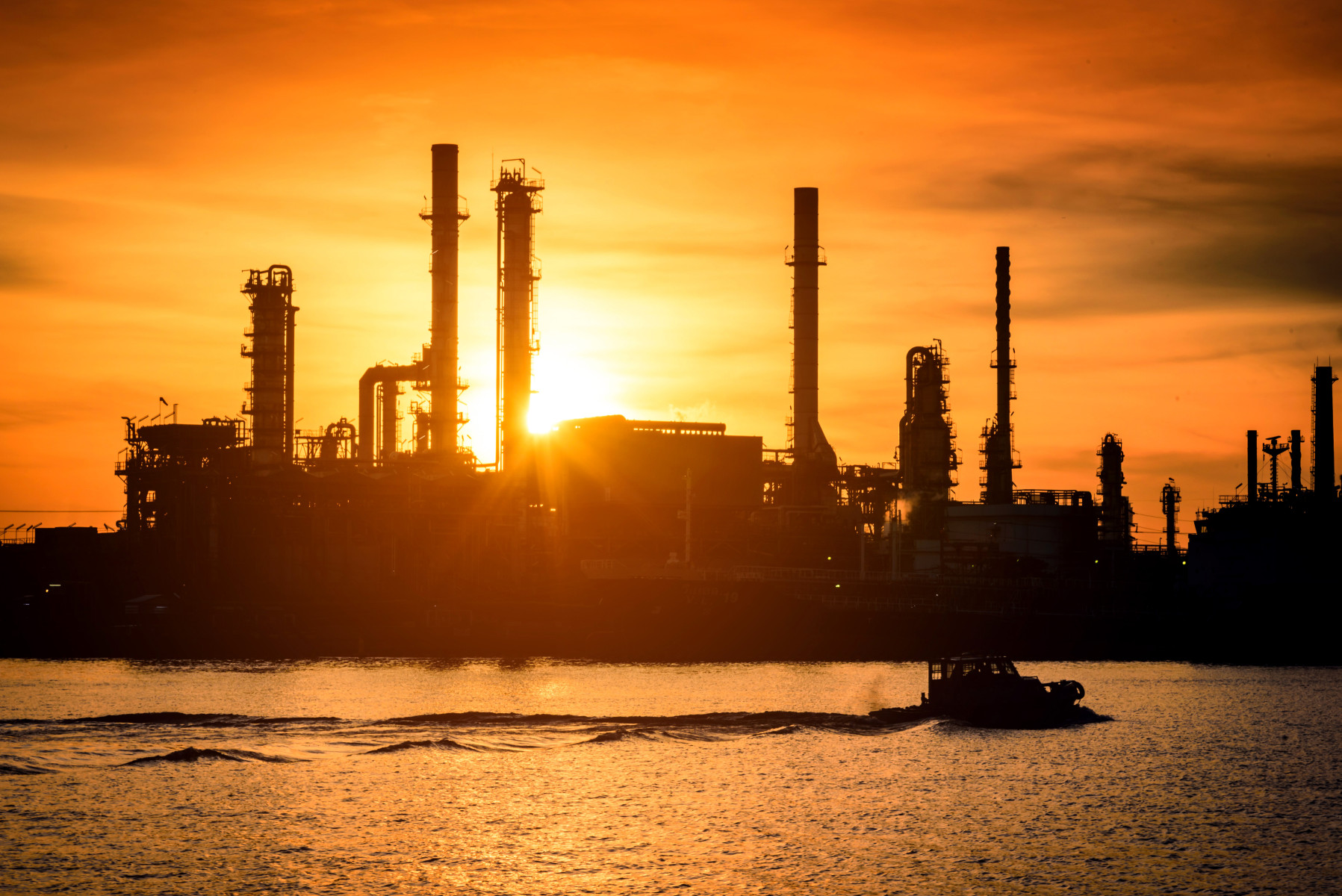
This applies with particular force to chemicals – the mother of all industries. As Europe's second-largest sector, it supplies the basic materials for virtually every other industry – from automotive and pharmaceuticals to agriculture, energy and electronics. Without a strong chemical base, there is no strong industry, and no strong Europe.
Yet since 2022 alone, the chemical sector has already lost around ten percent of its production capacity and 20,000 jobs; nearly 90,000 more are at risk. At the same time, investment in new capacity has fallen by almost 90 percent.
Europe cannot function this way. This is how we become weaker, not stronger.
But there is a glimmer of hope. Ireland has set a clear additional priority for its presidency, alongside values and security: strengthening European competitiveness. For me, that means above all giving companies the regulatory environment without which they cannot operate and thrive – a demand that has been raised time and again, and which must now finally acted upon.
I will not list everything that needs to happen here. Ireland is addressing the right topics – from cutting red tape and ensuring energy security to expanding trade partnerships and deepening the single market.
What I want to emphasize above all is what must not happen. It cannot be that the EU, in a highly dynamic world, still shows so little flexibility. That it clings to principles established long ago under very different circumstances. This applies in particular to climate policy. Of course Europe must fight climate change and curb its consequences, that goes without saying. After all, our continent is warming faster than any other – the current heatwave is a stark reminder of what may still lie ahead.
Climate Policy Without Dogmatism
With the Emissions Trading System (ETS), Europe essentially has the right instrument for climate protection: companies that emit CO₂ must hold certificates to do so – those who emit less save money; those who emit more must buy additional allowances.
But the ETS must not be applied dogmatically. And yet that is precisely what threatens to happen. Continuously reducing the number of certificates, providing energy-intensive sectors like chemicals with ever fewer free allocations, and tightening the "benchmarks" – the conditions governing allocation: these plans strike at the very heart of the basic materials industry.
Because we simply lack what it takes to produce in a climate-neutral way: affordable renewable energy, functioning hydrogen infrastructure, markets for low-carbon products.
And one more thing: the free allocation of certificates is by no means a subsidy instrument – it is protection against carbon leakage. Because when production moves outside Europe, global CO₂ emissions do not fall. They rise. An ETS that tightens faster than industry can transform itself does not drive emissions out of Europe – it drives out investment. And that cannot be the goal.
As currently planned, the ETS could become the gravedigger of industry rather than the driver of the green transformation that Europe – rightly – pursues as a business and export model. Competitiveness – that agenda item could then be abandoned altogether.
Ní neart go cur le Chéile – unity is strength. That is true. But so is this: good intentions do not always make for good outcomes. The EU must not only focus on the right issues. It must have the courage to address them with realism and pragmatism.
Strength requires both.