




Avoiding Old Patterns in the New Year
As the new year begins, political efforts to strengthen the chemical industry are gaining traction. But they must not lead to new forms of micromanagement. Instead, they must allow the industry to play to its strengths – innovations that address the megatrends of sustainability and resilience.
“A danger recognized is a danger avoided”, as the saying goes. For the German and European economies, the sobering realization is this: 2026 will once again be a critical year. Uncertainties – especially on the global stage – continue to grow, while old problems persist. The chemical industry in particular is still struggling.
What nevertheless gives me hope are two things. First, a growing political momentum in Berlin and Brussels. And second, the industry’s traditional strength – its innovative power – which must be directed even more strongly toward the big trends of sustainability and resilience. Because the chemical industry not only keeps the entire economy running. It can also help ensure that Germany and Europe remain autonomous in the geopolitical power struggle and continue the green transformation.
Both the federal government and the European Commission understand the importance and the difficult situation of our industry. And they are taking action. After Berlin launched a “Chemistry Agenda” late last year – aimed at reaching decisions by spring through deeper dialogue between industry and policymakers – the EU is now also moving: In Geleen in the Netherlands, the “Critical Chemicals Alliance” is being established – another roundtable to strengthen the sector, and one that is starting only half a year after being announced in Brussels.
Pressure from All Sides
This initiative, like the various other measures to improve the framework conditions, cannot come soon enough. Its agenda shows how much pressure the chemical industry faces from all directions: weak demand, growing international competition – some of it engaging in dumping – energy, raw materials, and labor that are too expensive, and not least a CO₂ pricing regime that is not competitive. More and more plants are being forced to shut down – disastrous not only for competitiveness and value creation, but also for Europe’s resilience.
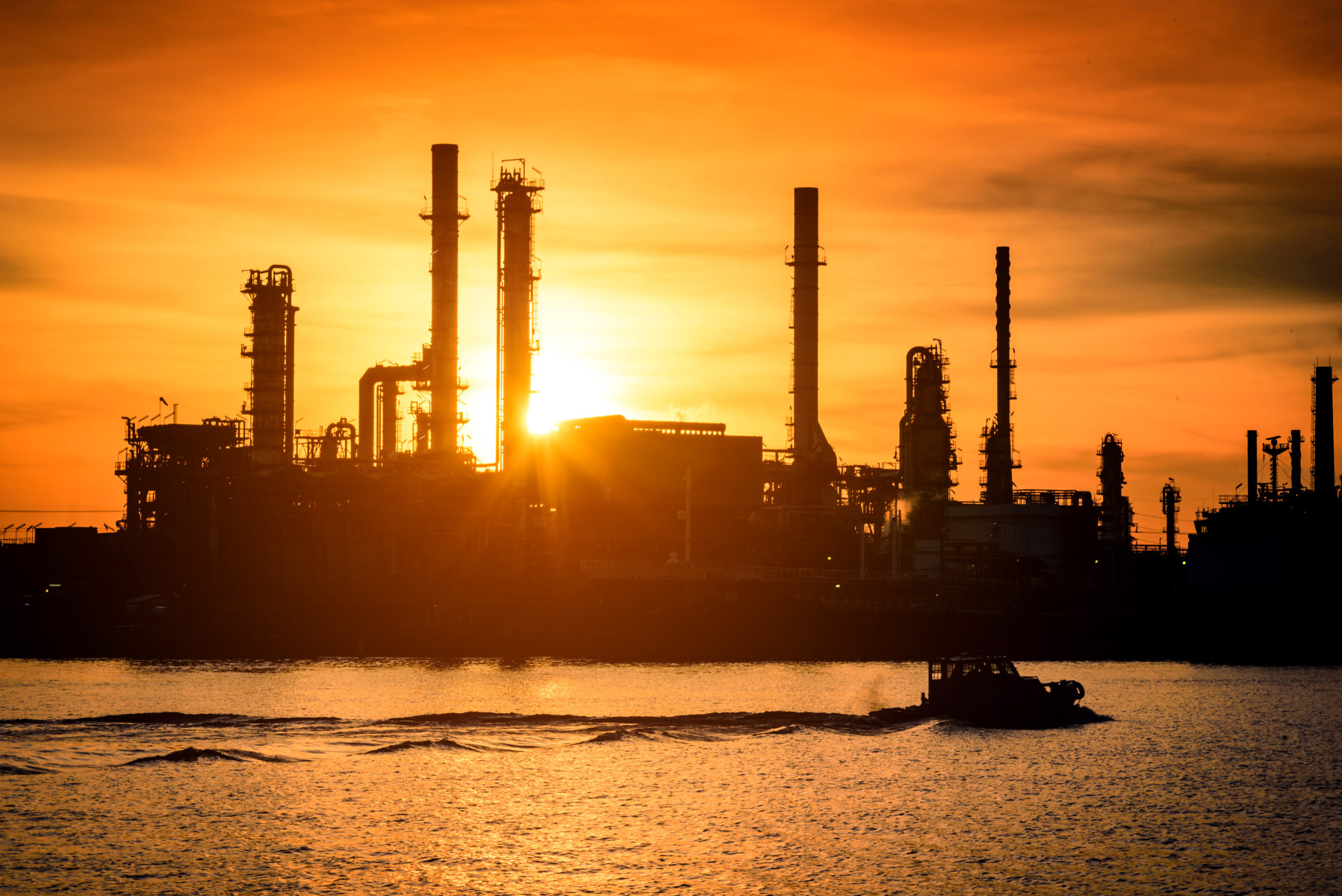
The Alliance’s agenda also addresses issues that are less well known: European chemical plants are extremely old by international standards. The average age is 47 years, compared with under 30 in the U.S., less than 20 in the Middle East, and just around ten years in China.
These are structural deficits that must now be tackled with urgency. And like the federal government, the Commission also wants to achieve initial results quickly – many still in the first half of the year. Crucial here is close coordination between the EU level dialogue and the efforts within member states. Much more than before, these must complement and reinforce each other. And EU countries must implement the recommendations as quickly as possible and adjust their own mechanisms where necessary.
But despite all the optimism, old fears creep in. That Brussels may take the analytical process too far as it develops new assessment tools. And that it may slip even deeper into a mode of detailed central planning. If the goal becomes identifying which specific raw materials or which specific sites are “critical,” this might cause the regulatory and documentation jungle – finally beginning to clear – to grow back again. And it could ultimately divide our industry.
More Room to Maneuver
What the chemical industry needs – beyond all the necessary regulatory details – is room to maneuver. Only with less ballast can we accelerate and unleash our full innovative power. Innovation is Europe’s sharpest weapon in global competition. The federal government rightly wants to make Germany the world’s most innovative location for chemistry, pharmaceuticals, and biotechnology.
And our industry is pushing hard in that direction. Last year, despite the strained economic situation, research investments rose to a record €16.5 billion. Now it is crucial to channel these funds wisely.
Toward innovations in sustainability, which is increasingly becoming an economic necessity. Germany and Europe still have the chance to develop a credible and economically viable leadership role here. Security and autonomy form the second major future field that requires innovative solutions from the chemical industry. And here, too, our sector has much to offer – supported by the growing use of digital tools such as AI and quantum computing, which can catapult research and development into entirely new dimensions.
Germany and Europe, as knowledge-based economies, have enormous opportunities right now. But this requires freedom and openness – the opposite of planned economy constraints. In Germany, the Federal Minister for Economic Affairs is advocating for more consistent regulatory policy. I hope this approach prevails in Brussels as well. And if our industry simultaneously recalibrates itself, then perhaps in the near future we will indeed be able to say: danger averted.