

Sustainable production in Spain
Although Covestro has a long and successful history of production in Spain, the company is also well prepared for the future. It currently produces innovative and sustainable material solutions at four sites.
Covestro in Spain


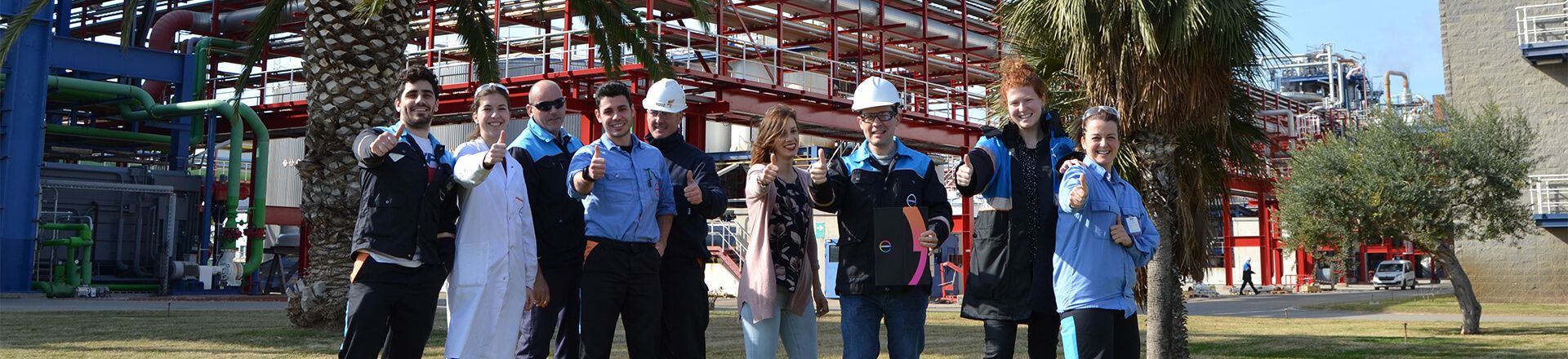

Promoting climate-friendly technologies and products
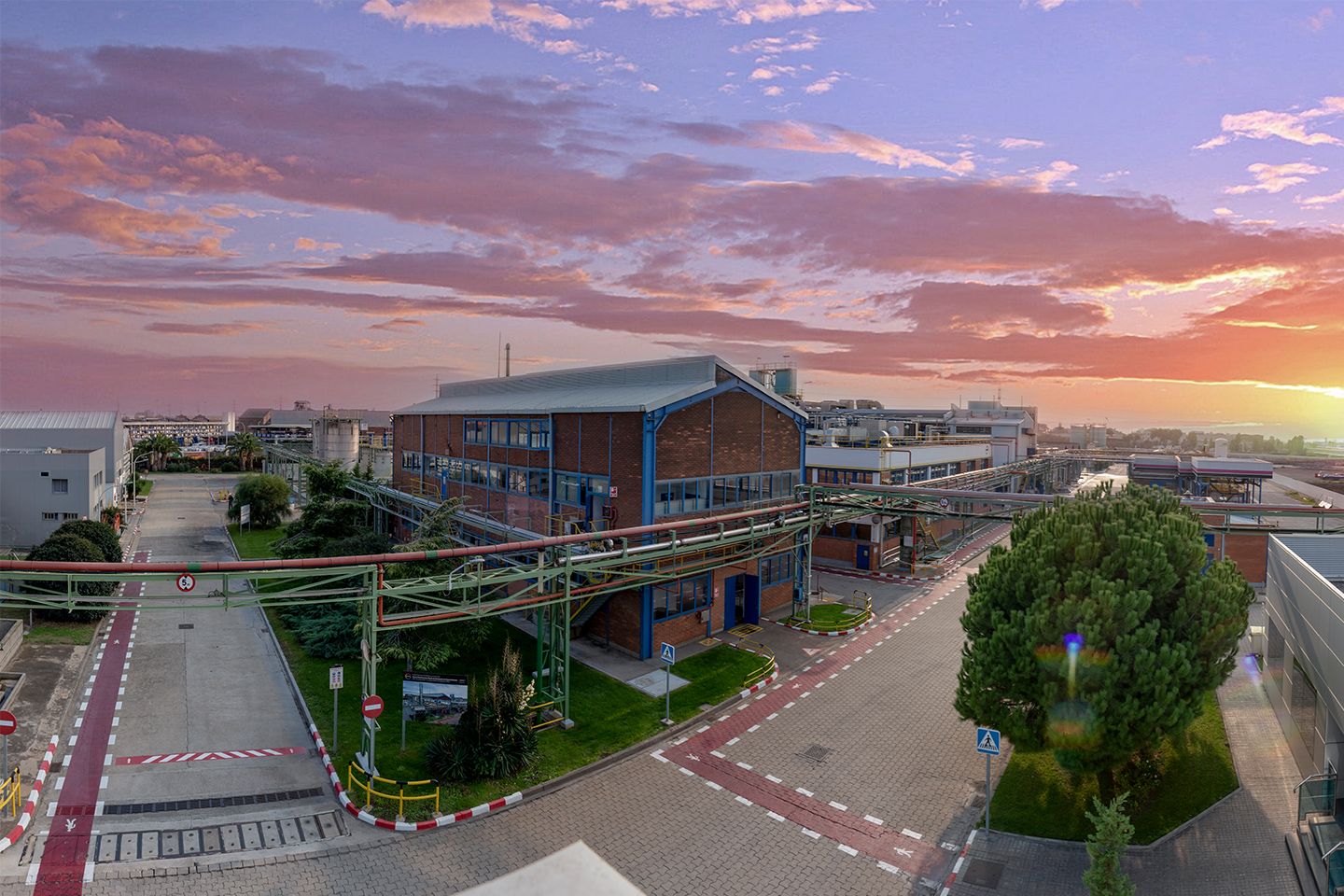
The Barcelona-Zona Franca site produces more than 80 products grouped into eight families: waterborne acrylics, primary and secondary process, acetone light water urethanes, polyester in solvent, blocked aliphatic crosslinkers, prepolymers, solvent-borne textiles, and distilled prepolymers.
Automotive, furniture, construction and packaging are some of the sectors benefiting from materials made at this Barcelona site.
On its journey to more sustainable production, the Barcelona site has been replacing the production of acrylic dispersions with water-based polyurethane dispersions in recent years. It has also commissioned a new high-vacuum distillation plant.
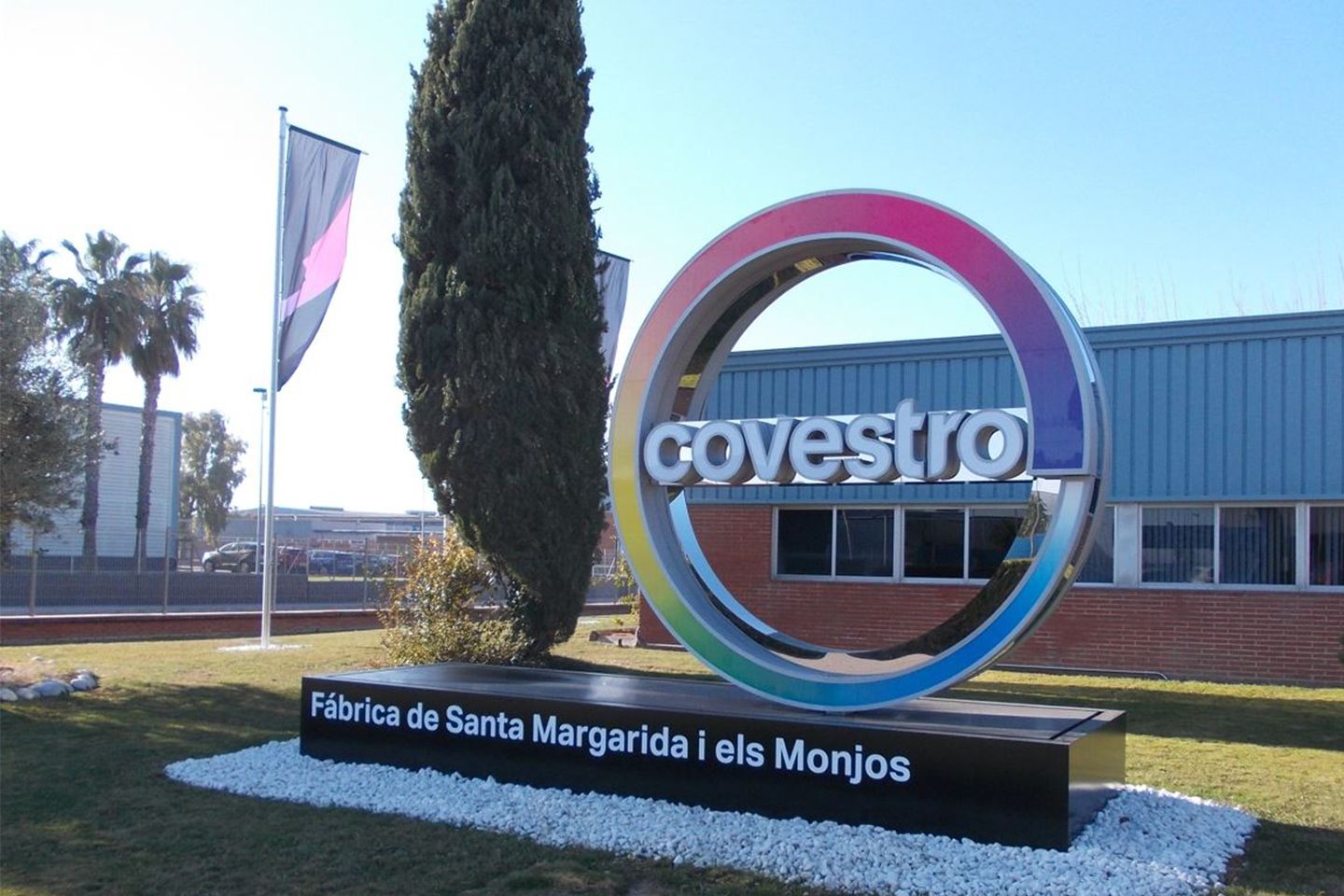
The Santa Margarida I els Monjos site specializes in the production of more than 90 polyester powder products intended for sectors such as architecture, heavy machinery, automotive, furniture, and electronics.
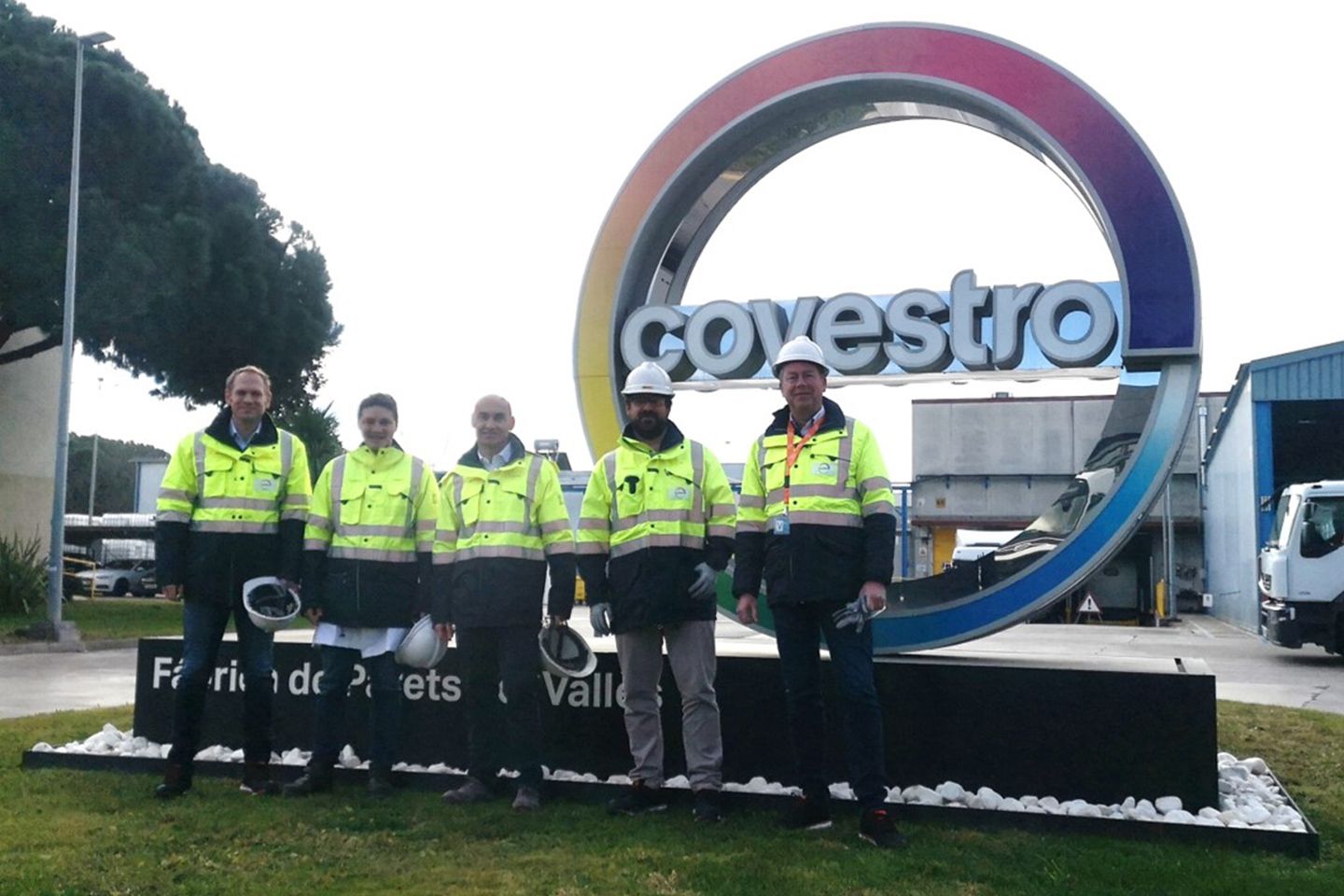
The Parets del Vallès site manufactures more than 70 products grouped into four families: emulsions, water urethane, solvent urethane, and urethane acrylic. The Parets del Vallès site has also reduced its energy consumption by 20% from 1.25 GJ to 0.976 GJ per metric ton.
The Parets site’s products have numerous uses in sectors as diverse as decoration, flooring, wood for furniture, kitchens, offices, hospitals, automotive, electronics and marine. They can also be used in print and packaging, e.g. for flexible packaging, overprint varnishes, paper and board inks, digital inks, label coatings, and adhesives.
The Tarragona site produces MDI (methylene diphenyl diisocyanate) and hydrochloric acid. It also has a rail hub to import hydrochloric acid for the Iberian market. The new chlorine and caustic soda plant is the first industrial plant based on Oxygen Depolarized Cathode technology (opens in a new tab) (ODC), which requires 25% less energy. The chlorine is solely intended for internal use, while the caustic soda is destined for the Iberian and European markets.
This content is provided by MovingImage. When you load it, MovingImage receives data such as your IP address and may set cookies.