



Diversity of Opinion and Freedom of the Press: The Fertile Ground for Democracy
Diversity of opinion, along with media and academic freedom, is increasingly under pressure. They form the fertile soil in which democracy takes root, and the driving force behind critical thinking, creativity and innovation. We must stand up for them.
“Fair is foul and foul is fair”: This line from Shakespeare’s “Macbeth” springs to mind when I see how the worldwide battle for opinions and interpretations rages on. What is interpreted as good and right on one side is decried as bad and wrong on the other – and vice versa.
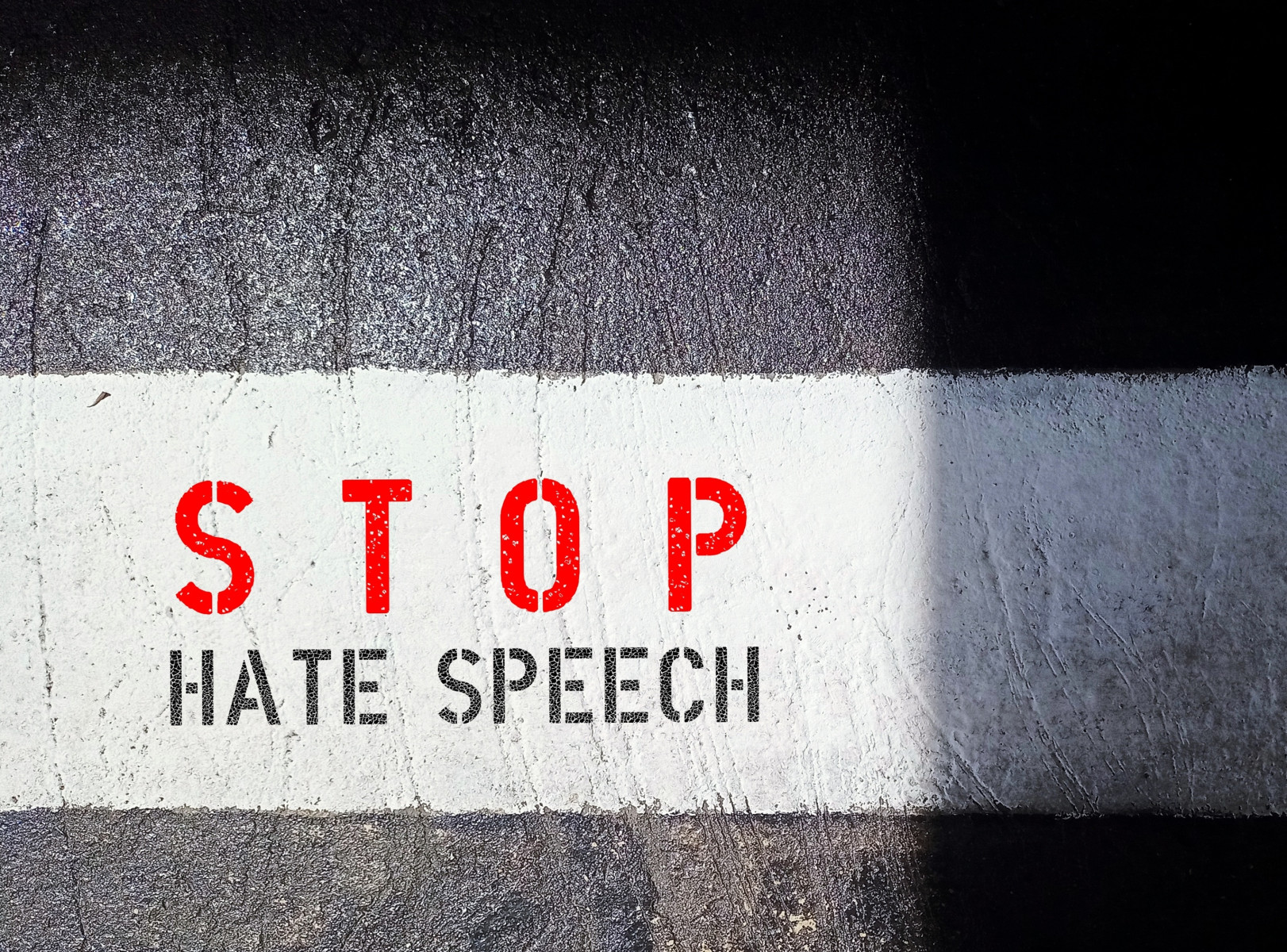
Concepts are being repurposed, values turned into their opposite. Emotion triumphs over rationality. Views once deemed unacceptable are gradually acquiring the character of the normal and sayable. This shift in discourse is accompanied by hate speech and insults, extending to calls for boycotts and even violence.
This development worries me deeply. An open society is not just the fertile soil for our democracy, but also the tool at our disposal to meet the many challenges of our times. When this stops, it strangles our creativity and with it our science and innovation – that is when societies become dysfunctional.
Tolerating the Intolerants?
This raises the question of how open this discourse needs to be. How do we deal with the ”paradox of intolerance” formulated by Karl Popper 80 years ago? How do we deal with a society that willingly allows or even helps intolerant forces restrict or abolish its own tolerance?
Can and should limits be placed on freedom of expression – or on what each person individually understands by it? While in some countries it ends where criminal offenses such as insult and incitement to hatred begin, others follow a different legal understanding. Here, acts that might be considered lies or incitement elsewhere are still allowed. Whether that’s helpful for societal cohesion or in dealing with the current and future crises facing us, I’ll leave open for debate.
But the real issue lies elsewhere and goes much deeper. People may be allowed to advocate their own position as radically and dogmatically as they wish, even to the point of defaming all others – even by claiming that one’s own opinion is being suppressed. But one should then grant the same freedom to everyone else. True to the bon mot attributed to Voltaire: “I disapprove of what you say, but I will defend to the death your right to say it.”
Since the Enlightenment, hard-won progress has been made on tolerance and freedom of expression. Yet the great philosopher would surely be appalled to see the setbacks we are currently experiencing. We are witnessing developments – still relatively mild by international standards – such as in Germany, where the public broadcaster NDR has dismissed TV presenter Julia Ruhs shortly after hiring her specifically to introduce a “conservative’” perspective into the public media system.
Widespread Cancel Culture
At the same time, cancel culture is happening on a grand scale: orchestrated campaigns and legal offensives aimed at the media landscape itself. Press freedom is in poor shape on global scale; it is now rated as “problematic” in Reporters Without Borders’ World Press Freedom Index for the first time.
To make matters worse, academic freedom has also declined markedly worldwide over the past decade. In 2025, a total of 34 countries registered a statistically significant and substantial drop in academic freedom compared with 2015, according to the respective index.
Opinion, media, research: The foundations of democracy are under dangerous pressure. Yet democratic societies depend on a plurality of voices, perspectives, and spaces for discourse.
The economy must also see and clearly name this. It too thrives on critical thinking. On diversity and openness, on respect, trust and cooperation as the breeding ground for innovations that secure growth and prosperity.
Companies can and should convey facts, provide orientation, and create room for dialogue. At Covestro, for example, we support the European Youth Parliament, where this year we are sponsoring discussions on the circular economy and the innovation/knowledge society.
Dialogue, participation, and trust – UN Secretary-General António Guterres recently underscored their importance on the International Day of Democracy. Let’s remind ourselves every single day: Democracy and tolerance are never guaranteed. They are a shared project we must shape and protect.