

Fit for the Circular Economy from the Start
Plastics still often end up as waste. This can be changed if they – and the products made with them – are designed from the outset to be optimally recyclable. An approach that Covestro is driving forward.
Further Information
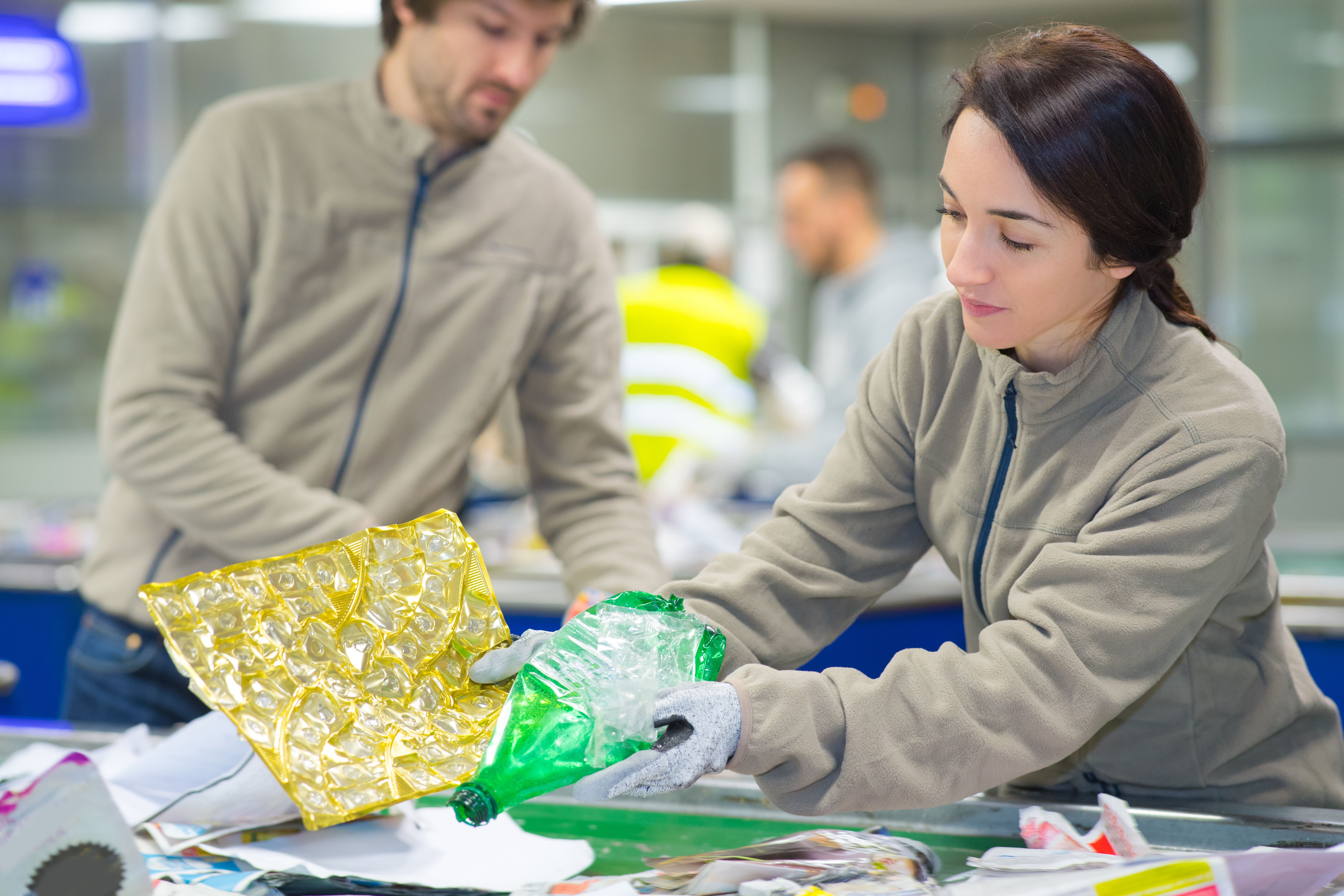


Function, price, appearance – until now, such aspects have usually been the focus when designing. In the future, the emphasis must increasingly be on making products fit for the circular economy from the very beginning.
"Design for Circularity" means considering the entire life cycle: developing plastics and products in such a way that they can be easily repaired, reused, and recycled at the end of their useful life.
The overarching goal of circular design is to extend the lifespan of materials, reduce waste, and keep resources in a closed loop as much as possible. This can significantly reduce both environmental impact and the need for primary raw materials.

Covestro wants to help establish this approach in the plastics industry. For example, together with the consulting firm Renato, we have developed a guide (opens in a new tab) for circular design. It is intended to help manufacturers design plastic-based electrical and electronic articles as well as household appliances in a more circular way.
To achieve full circularity, aesthetics must not be overlooked. This is why Covestro has developed an additional guide addressing the complexity of CMF design in recycled and recyclable plastics.
Furthermore, together with Dell Technologies, we have prepared a study on the recycling of laptops. If the plastics for device components are optimally designed from the outset, they can be disassembled, sorted and recycled to a high quality much more easily later on.