Story

Platilon® TPU Films enable high-performance medical wearables

Working with SunRay Scientific Inc, we developed a pulse oximeter sensor to show how flexible printed electronics can work on stretchable TPU film. Our soft and skin-friendly Platilon® Films can integrate flexible circuits in a tear-resistant substrate that is ideal for medical wearables.

Story · November 11, 2024

Advantages of Platilon® TPU Films in medical wearables

Stretchable and flexible printed electronics offer significant advantages over traditional rigid and non-stretchable substrates for wellness and medical wearables. Our portfolio of Platilon® TPU Films supports on-body wearable devices that need to adapt to a broad variety of body shapes and functions. Their high formability and lightweight, skin-friendly softness ensure patient comfort, improving compliance and enhancing the early identification of health issues. Platilon® TPU Films enable seamless and discreet integration of printed electronics while also providing biocompatibility and comfort to the wearer.

Pulse oximeter showcases Platilon® TPU Films as optimal solution for printed electronics

To highlight the effectiveness of TPU films in medical wearables, our Specialty Films Medical team in North America worked with SunRay Scientific Inc. (opens in a new tab), a leading supplier of lead-free conductive inks, epoxies and adhesives for flexible printed electronics manufacturers.
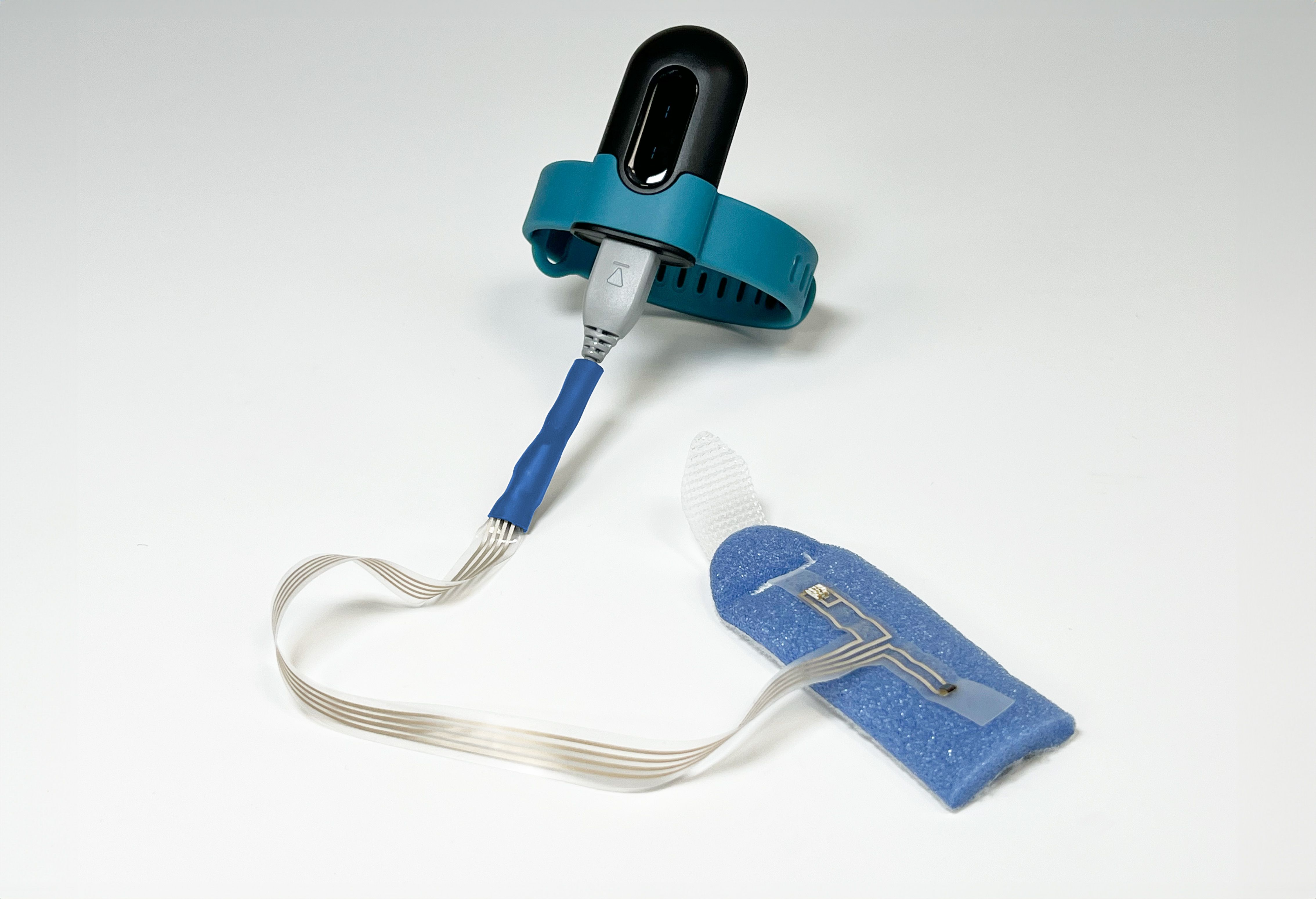
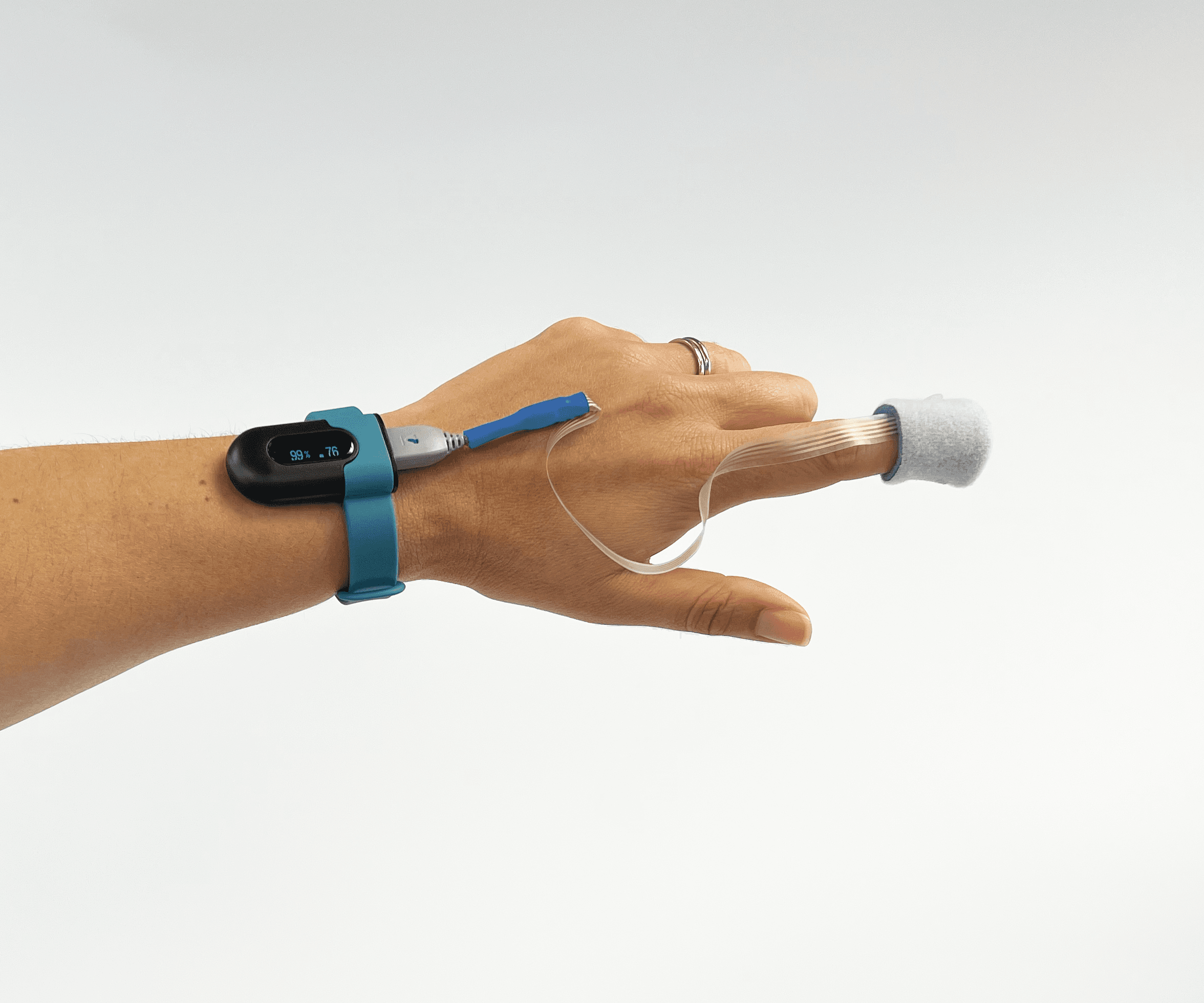
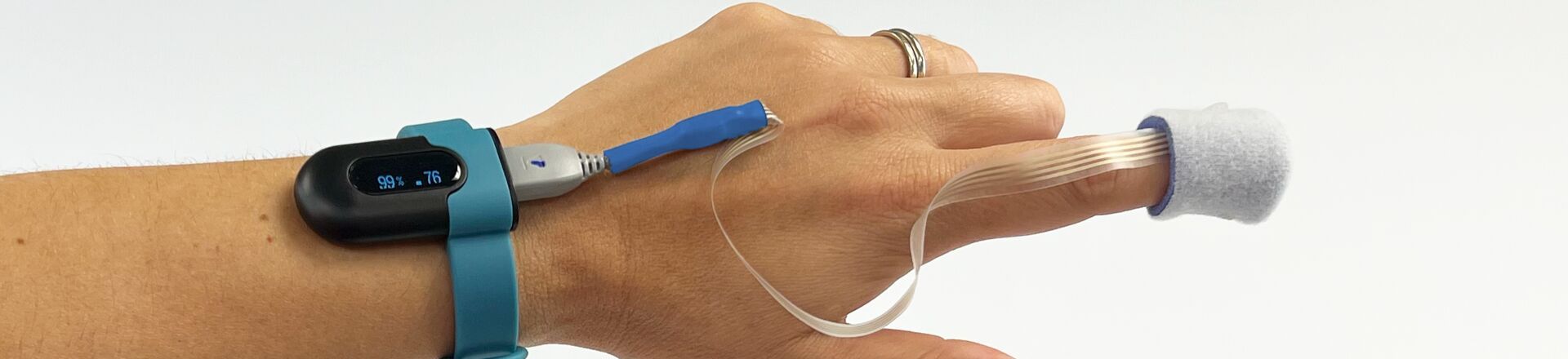
  • The prototype is a fully functional oximeter with electronics controller and fingertip SpO2 sensor.

  • The electronics controller is worn on the wrist and connects to fingertip bio sensor.

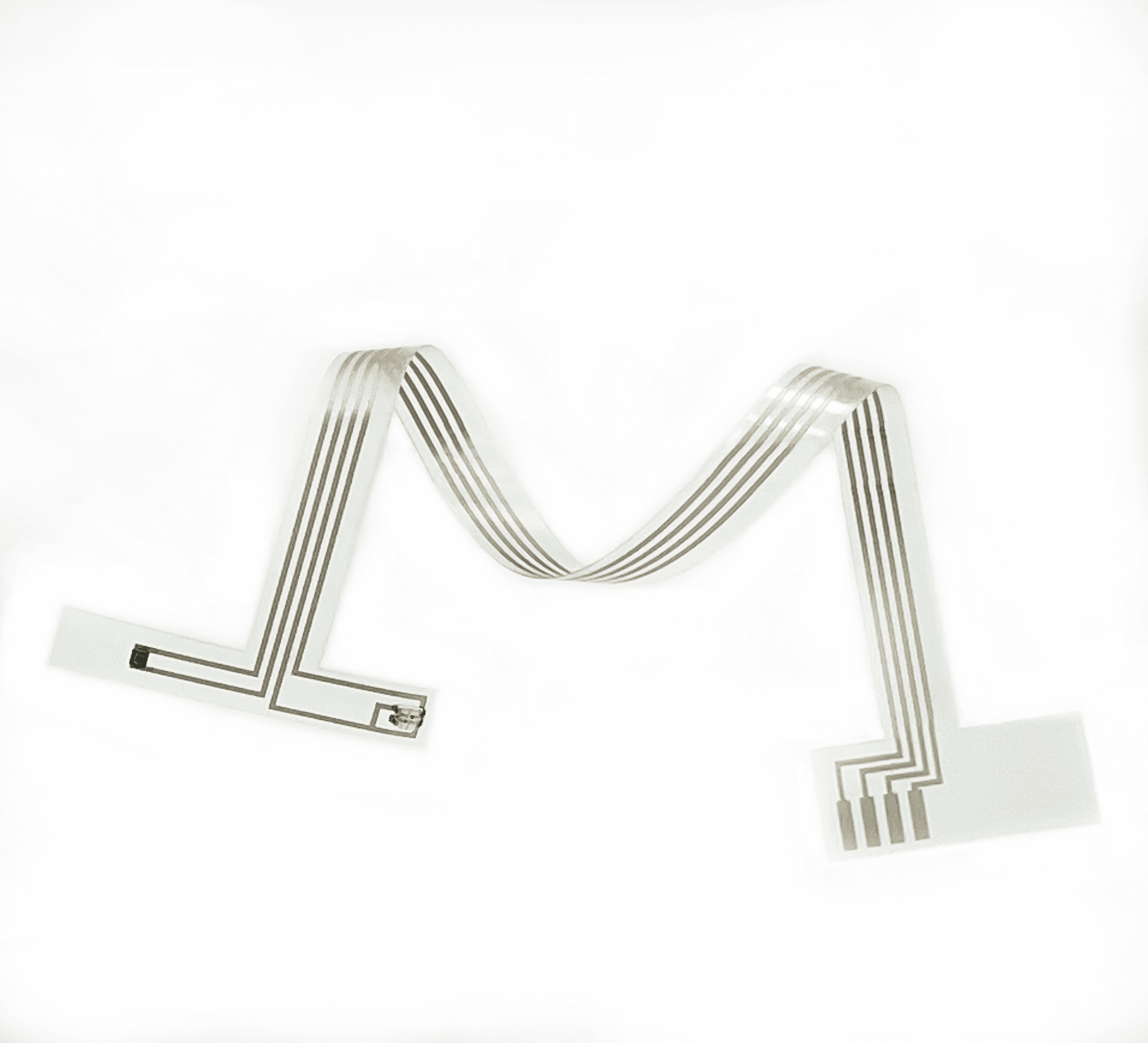
  • Flexible sensor circuits are printed with silver conductive ink on TPU film.

Together we developed a fully functioning pulse oximeter that allows the remote tracking and monitoring of bio-signals and oxygen saturation (SpO2) levels, using Platilon® TPU Films as the substrate for the printed circuits and medical sensors. The demonstrator medical device highlights how our specialty films can meet all functional requirements while ensuring seamless integration with existing manufacturing processes.

A new generation of smart, flexible skin patches is replacing rigid electronic components in remote patient monitoring. These new medical devices require substrates printed with conductive layers that can accommodate sophisticated circuit designs, electrodes and bio sensors. The embedded electronics in an on-body sensor must work flawlessly as the wearer moves around, and offer a biocompatibility that does not irritate or damage the skin. Covestro and SunRay Scientific jointly created this working demonstrator to showcase how TPU films can make this type of medical sensor feasible, with seamless integration into existing high-volume manufacturing processes.

A circuit made of SunRay’s StretchS silver ink is printed onto our Platilon® TPU Film. LEDs and photosensor diodes are attached using ZTACH® ACE conductive epoxy, and a silver epoxy is used to bond the flexible circuit to connector wires. For this demo, the TPU circuit is then mated with a commercially available electronics controller. The resulting device can seamlessly track the wearer’s pulse and oxygen levels.

TPU films are an optimal choice for flexible circuits in electronic assemblies because they can accommodate circuit designs in stretchable conductive layers, while also integrating a variety of bio sensor technologies including photosensors, electrodes and pulse sensors. At the same time, TPU offers inherent flexibility and resistance to tearing and punctures along with biocompatibility and wearer comfort, while also functioning as an excellent air and liquid barrier. Platilon® TPU Films can be sealed with heat or ultrasonics, making them an excellent choice for health applications such as wearable sensors.

Flexible substrate for printed electronics

Platilon® TPU Films stretch the solutions for printed electronics in medical wearables

We’re working on our website and adding more content step by step. Please check back soon.