

Story
Partly bio-based Platilon® H2 CQ EC for more sustainable lamination bonding
Our more sustainable Platilon® H2 CQ EC hot melt film is partially bio-based, yet matches the versatility and performance of standard hot melt adhesives - with strong bonding to a variety of substrate materials, textiles, and fabrics.
Story · August 31, 2023
Hotmelt films are popular, easy-to-handle materials for industrial bonding applications. Our Platilon® H2 CQ EC incorporates bio-based castor oil as a raw material, enabling a more sustainable co-polymer that delivers the same versatility and formability as standard hot melt film grades.
Annika Hill
Global & EMEA Regional Segment Manager – Consumer & Industrial Solutions, Covestro
Partly bio-based raw materials for a more sustainable hot melt film: Platilon® H2 CQ EC
For manufacturers who are looking for hot melt films that deliver industrial bonding with high performance in combination with sustainability, our partly bio-based Platilon® H2 CQ EC meets their requirements. This more sustainable film grade incorporates a co-polymer with 35-39% bio-based carbon content according to ASTM D6866 methodology (opens in a new tab), which is based on the film composition and the information provided by the supplier. The actual source material is castor oil. Processed to a polymer, it delivers a renewable and more sustainable material solution. The EC suffix on the film grade denotes that the product has a significant share of bio-based raw material, and the CQ label denotes circular intelligence.
Possible applications


More sustainability and high performance with Platilon® H2 CQ EC film
More sustainable Platilon® H2 CQ EC offers excellent heat resistance at temperatures between 105-110°C yet has a low laminating temperature, making it ideal for machine lamination or welding processes. Exactly like our standard films, this grade can be processed considering just three parameters: temperature, pressure and time. The film also prevents some plasticizers from migrating from standard plastics such as PVC.
Platilon® H2 CQ EC provides a quick, strong bond to a wide range of substrates, from polyester fabrics to packaging materials, just as our standard grades do. Similarly, sealing strips, glass and aluminum laminates, metal, foam, and conductive tracks can all achieve a strong industrial bond with this partly bio-based grade.
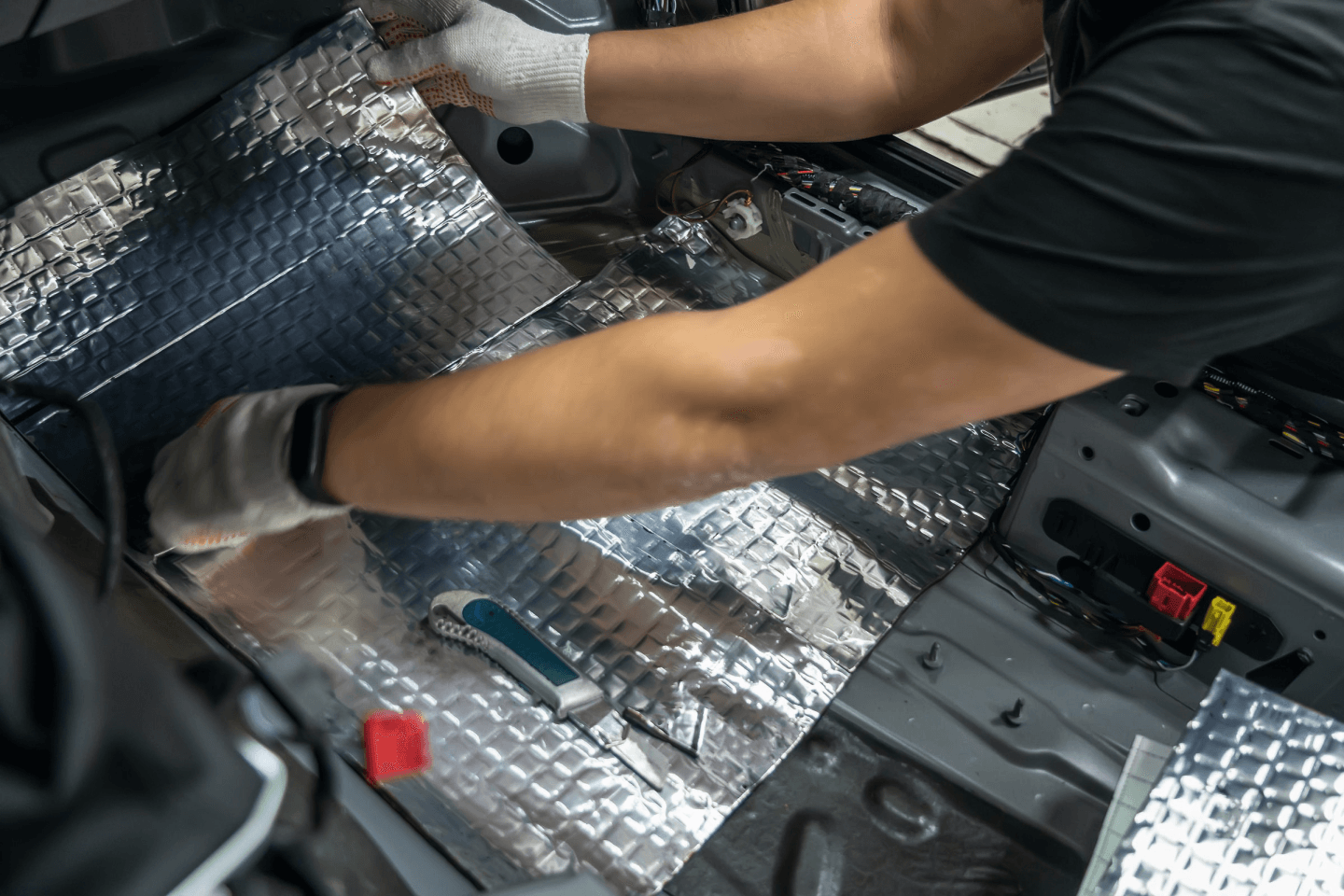
With hot melt lamination, labels and emblems can be fixed onto fabrics and protective layers added to fabrics, foam surfaces, and textile composites for performance gear and even bulletproof clothing. Hot melt adhesive film can also simplify the assembly of automotive interior components that integrate different types of materials, and it also works well for seam sealing.
Partly bio-based Platilon® H2 CQ EC: flexibility in processing technology
Platilon® H2 CQ EC is well suited to multiple processing technologies, from hot calender roll processing to flatbed lamination, heat sealing, hot pressing and high frequency, ultrasonic or impulse welding of e.g. PVC valves to TPU. Component manufacturers can count on this partially bio-based hot melt film for easy handling and the same high heat resistance as standard grades, contributing directly to a more circular and sustainable economy.
This content is provided by MovingImage. When you load it, MovingImage receives data such as your IP address and may set cookies.

More sustainable hot melt film
Interested in our partly bio-based Platilon® H2 CQ EC hot melt adhesive film?